
Living Off The Net
Turn your computer into a daily income machine
Turn your computer into a daily income machine

“Turn Your Laptop into a Money-Making Machine With us..
Even tiny learning moments can expand your mind and spark curiosity
“Live as if you were to die tomorrow. Learn as if you were to live forever.” — Mahatma Gandhi

We all want financial freedom — but that desire can make us vulnerable to scams that promise easy results. My experience with the Prime Credit Group was a tough but valuable lesson in protecting yourself and using technology wisely before trusting online offers.
It started with an email claiming I’d qualify for guaranteed credit improvement. The message was clean, professional, and even included fake testimonials. Everything looked legitimate — until I dug deeper.
I sent a small “verification fee” as requested. Within minutes, I received another demand for a larger sum, supposedly for “account activation.” That’s when I realized something was wrong. The email signatures, domain, and grammar started to show cracks.
I copied parts of their email into ChatGPT and asked for an analysis. ChatGPT pointed out red flags — phrases common in scam messages, generic “support” addresses, and a lack of verifiable business details. That insight confirmed my suspicions and saved me from losing more money.
Even the smartest people can fall for clever scams if they’re tired, hopeful, or rushed. Always research a company name with “scam” or “review” next to it, and never pay for something that sounds too good to be true. Use ChatGPT or search engines to verify legitimacy before you commit.
Search the company name on Google, Reddit, or Trustpilot before engaging. If there are no real reviews — be cautious.
Ask ChatGPT to analyse emails or messages that feel “off.” It can highlight scam tactics instantly.
Check if the company has a real address, phone number, or LinkedIn presence. Fake companies rarely have consistent profiles.
If you spot a scam, share your experience online to warn others — your voice might save someone else’s money.
Note: There’s a form at the bottom of this page. Once you fill it in, you’ll instantly receive an email from me — plus a special resource you can easily share with your friends, family, and colleagues.
Small daily learning sparks curiosity, builds knowledge, and opens doors to new opportunities
Meet Liam. He was curious but often felt too busy to learn new things. Then he adopted the habit of **mini learning** — discovering something new every day, even in just 10–15 minutes. This small change transformed his mindset, expanded his knowledge, and made every day exciting.
Liam started with small lessons that didn’t take long but added up over time. Learning something new, even briefly, created momentum for bigger discoveries.
Example: Watching a 5-minute tutorial on Excel shortcuts, reading a quick article about personal finance, or learning one new word in another language.
He discovered that exploring diverse topics keeps the mind engaged and builds connections across different areas of knowledge.
Example: One day he learned a cooking tip, the next day a tech hack, and the following day a historical fact. Each small learning moment broadened his perspective.
Liam turned his computer and mobile phone into learning tools. Instead of mindless scrolling, he sought valuable knowledge in short bursts.
Example: Podcasts, YouTube tutorials, online quizzes, or language apps gave him daily knowledge without overwhelming his schedule.
Writing down or noting new things reinforced learning and helped Liam track his progress.
Example: A mini-journal or digital note with one interesting fact or skill learned each day became a personal treasure trove of knowledge.
Liam found that even 10–15 minutes of focused daily learning kept his mind active, boosted confidence, and opened doors to new opportunities. Small discoveries built momentum, inspired creativity, and added excitement to every day.
Mini learning doesn’t require hours of study — it’s about consistency, curiosity, and enjoying the process. Each day, you can discover something new and make your world richer.
Micro-learning moments refresh your mind, expand knowledge, and spark curiosity — small steps lead to big growth.
When you commit to discovering something new each day, every day becomes an opportunity to learn, create, and thrive.
✅ Your Daily Motivational Quote
"Act as if what you do makes a difference. Because it sure does."
— William James

Learn how compelling storytelling transforms eBooks into powerful selling tools and boosts online income.
Carla was an author struggling to get traction with her digital guides. She had valuable content, but downloads were few, and feedback was limited. One day, she realized the missing ingredient: storytelling. Facts and tips alone weren’t enough. People craved narratives that connected, taught, and entertained simultaneously. She decided to rewrite her next eBook entirely using compelling stories.
The first story-centered eBook focused on personal productivity. Carla framed each chapter around a real-life scenario, illustrating the problems and solutions in a narrative format. Readers could see themselves in the situations, empathize with characters, and understand the lessons through relatable experiences. Sales began to rise as feedback highlighted the engaging style and practical value.
Stories activate emotions and memory in ways pure information cannot. Psychologists explain that narratives stimulate multiple brain areas, creating a deeper connection and higher retention. When an eBook reader identifies with a character, the lessons become personal and actionable. Carla noticed readers returning to her eBooks multiple times, sharing excerpts, and recommending them to friends.
Mark, another creator, used story-driven eBooks to teach online marketing. Instead of generic tips, he narrated scenarios of entrepreneurs struggling and succeeding. Each chapter ended with actionable takeaways, but the narrative kept readers engaged. His conversion rates from free downloads to paid services tripled, demonstrating the sales power of storytelling.
Carla also discovered the advantage of eBook format for storytelling. Unlike blogs or videos, eBooks allow readers to consume content at their own pace, revisit stories, and internalize lessons without distractions. Features like clickable chapters, summaries, and illustrative visuals enhance the narrative, making eBooks ideal for delivering story-driven value.
Today, Carla’s story-driven eBooks earn consistent income, attract loyal subscribers, and form the foundation of her online business. The lessons are clear: information alone is not enough. Narrative, context, and relatability transform content into products that sell, and the eBook format amplifies that power.
“Facts tell, but stories sell — and in eBook format, they sell best.”
✅ Your Daily Motivational Quote
"Act as if what you do makes a difference... It does
– Bill James
By Trevor Jones
Every day, scammers come up with new tricks to take people’s money. They often target everyday people who are simply trying to make an honest living or find opportunities online. The good news is that most scams follow familiar patterns. Once you know what to look for, you’ll be much better at spotting and avoiding them.
Scammers succeed because they play on human emotions:
When you recognise these tactics, you’ll find it easier to pause and think before taking action.
The internet is full of opportunities, but it’s also full of people trying to take advantage of those who don’t know the warning signs. By slowing down, checking details, and trusting your instincts, you can protect yourself and your money. Remember: if something feels off or sounds too good to be true, it probably is.
Staying informed is your best defence against scams. Keep learning, stay cautious, and you’ll be one step ahead of the fraudsters.
Written by Trevor Jones — Founder of The Living Off The Net Academy
A real story from Trevor, creator of Living Off the Net Academy
Over a year ago, I was pitched by a stranger on Facebook who spoke very highly of a company called "Prime Credit Group." I showed no interest, but he kept pursuing me. I suspected he believed I had money and might be an easy target.
To throw him off and test his intentions, I told him that if he were a legitimate affiliate of the company, he should promote it more professionally — not just by chasing random strangers online. I suggested he join LeadsLeap and build a sales page to properly showcase the company. I even offered to help him understand how to use it, and I sent him my LeadsLeap referral link.
He seemed pleasant and appreciative… but still insisted that I invest first, through his referral link to Prime Credit Group. Only then, he claimed, would he join LeadsLeap under me.
He did eventually sign up for a free LeadsLeap account — but that was no good to me (and I think he knew that). Then he said it was my turn to invest with Prime Credit Group.
I said no.
His next move surprised me. He said: "What if I give you $1,000 to get started? I can send it from my back office to yours once you open an account."
Curious, I said OK.
He did what he promised — inside his Prime Credit Group “back office,” he transferred $1,000 to my newly opened account. I suspected his real intention was to “hook” me. He could see that my account was now earning ROI (interest), and once I reached the $20 minimum withdrawal, I tested it. It worked.
In fact, I was able to withdraw about $60 total, with no issues.
Of course, that’s when everything changed.
Suddenly, withdrawals stopped working — even though my “ROI” continued to grow daily inside the platform. Support disappeared. Emails were ignored. The live chat feature vanished.
I waited out the full one-year “investment” period. My account now shows that my portfolio is complete, and this should be the time when the original investment + returns are supposed to be paid out.
But I know it will never happen.
I never invested my own money, and I never referred others — I just wanted to understand what kind of scam this really was.
Now I do.
First of all, this is a textbook example of a “high-trust Ponzi-style scam” — but with a very clever twist. By giving you money first, the scammer aimed to disarm your skepticism and create a false sense of legitimacy. Most people would fall for it. You didn’t — and that puts you ahead of the game.
These scammers study human behavior. They understand how to create a sense of trust, urgency, and perceived gain. Once you’ve “tasted” the ROI, it’s easy to justify putting your own money in. Many victims also recruit friends, making it a viral scam.
This isn’t a rare scam — it’s part of a larger trend of fake crypto “investment platforms” that play with dashboards, fake deposits, and social pressure. By writing this post, you’re not just warning people — you’re showing them how to stay smart in a world full of smoke and mirrors.
Ready to learn how to create real online income using AI, automation, and proven tools like ChatGPT — without falling for scams?
My academy gives you step-by-step training, done-for-you tools, and the knowledge you need to thrive online — even if you're starting from scratch.
👉 Yes, Show Me Living Off The NetTrusted by everyday people. Built with ChatGPT. No hype — just honest online income education.
Learn how to identify scams and protect yourself online. Click each step to reveal practical tips.

Try Audible Free & Keep a Book Forever.
Grab a 30-day Free Trial and get your first book FREE.
 The Magic of Thinking Big
 Rich Dad Poor Dad
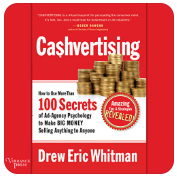 Ca$hvertising
 Flip the Script
 Sales Training
 Think and Grow Rich
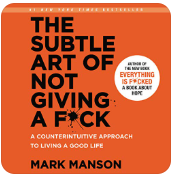 The Subtle Art of Not Caring
As an Amazon Associate, I earn from qualifying purchases.

Your effort compounds quietly — keep going.
Extra Daily Quote
“Do the hard jobs first. The easy jobs will take care of themselves.”
— Dale Carnegie

 Powered by Living Off The Net — Directly to Your Bank



🌿 Share Your Thoughts ✍️
Your insight helps the community. Trevor will reply personally.