🚀 Mind vs Results: Why Results Lag Behind Thinking
Often your actions take time to align with your thinking—understanding this gap accelerates progress
“The mind imagines the future; patience and action bring it into reality.” — Adapted wisdom
From My Audible Library 🌿
🌿Living Off The Net 🌿How to Teach Your Children About Money and Freedom
Teaches It All 🌿
Teaching your children about money and freedom sets the foundation for their future success. By instilling financial literacy, responsibility, and the mindset of independence, you empower them to make smart decisions and achieve true freedom as they grow.
“The best inheritance a parent can give their child is financial wisdom.” — Unknown
Start with Basics Early
Introduce children to concepts like earning, saving, spending, and sharing. Simple exercises like giving allowances or managing a small piggy bank can teach valuable lessons about money.
Teach the Value of Work and Effort
Encourage children to earn money through chores, projects, or small ventures. Understanding that money comes from effort reinforces responsibility and work ethics.
Introduce Smart Spending and Saving Habits
Show children how to set goals for saving and making informed spending choices. Teach them the importance of budgeting for short-term and long-term needs.
Foster an Entrepreneurial Mindset
Encourage creativity and problem-solving by letting children explore ideas for small businesses or projects. Early entrepreneurial experience builds confidence and independence.
Interactive Exercise: Financial Lessons for Your Children
1️⃣ Give Them a Small Allowance
Provide a weekly allowance and let them decide how to save or spend it, teaching responsibility and decision-making.
2️⃣ Teach Saving Goals
Help children set short-term and long-term savings goals, reinforcing patience and planning.
3️⃣ Introduce Simple Budgeting
Create a simple chart for their income, savings, and spending to visualize financial choices.
4️⃣ Encourage Entrepreneurial Activities
Support them in small business ventures like lemonade stands, crafts, or online projects to teach independence.
Note: There’s a form at the bottom of this page. Once you fill it in, you’ll instantly receive an email from me — plus a special resource you can easily share with your friends, family, and colleagues.
Trevor [Wales UK] has 20 years online experience, founder of multiple digital ventures, and fully qualified to teach everyday people how to succeed on the internet with simple, proven methods.”
Nelyn [ Philippines] “Co-founder with over 20 years supporting online ventures, dedicated to helping people learn simple digital skills and create real results with clear, beginner-friendly guidance to peolpe of the Philippines”
✅ Your daily motivational quote:
"Work hard in silence, let your success be your noise."
— Frank Ocean
Work-Life Balance Harmonize Your Time and Energy
Balancing work and life ensures sustainable productivity, emotional well-being, and overall satisfaction. Achieving harmony allows you to excel professionally while enjoying personal fulfillment.
Work-life balance is more than dividing hours between work and leisure; it’s about aligning priorities, energy, and focus. A healthy balance prevents burnout, improves relationships, and fosters long-term success in every area of life.
Set Clear Boundaries
Define specific times for work and personal activities. Communicate boundaries clearly with colleagues and family to protect focus and relaxation periods.
Boundaries prevent work from encroaching on personal life and allow you to recharge, increasing overall productivity and satisfaction.
Prioritize Tasks and Responsibilities
Identify what truly matters in both work and personal life. Focus on high-impact tasks and delegate or minimize low-value activities to free time and energy for meaningful pursuits.
Clarity in priorities reduces stress and enhances the sense of accomplishment in both professional and personal spheres.
Schedule personal activities with the same importance as work meetings. Treat exercise, family time, or hobbies as non-negotiable appointments to maintain balance and energy.
Learn to Say No
Overcommitting drains energy and reduces focus. Politely decline requests that do not align with your priorities or capacity, creating space for what matters most.
Saying no strategically ensures you can give full attention to essential responsibilities without compromise.
Take Regular Breaks
Short breaks during work refresh the mind, reduce fatigue, and increase productivity. Leisure time outside of work strengthens creativity and emotional resilience.
Even brief pauses, walks, or moments of reflection maintain energy and prevent burnout.
Nurture Personal Relationships
Strong relationships with family, friends, and community provide support, perspective, and joy. Investing time in meaningful connections enriches life beyond work achievements.
Quality relationships reinforce emotional health and motivate you to maintain a balanced lifestyle.
Practice Self-Care
Prioritize sleep, nutrition, exercise, and relaxation. Physical and mental well-being support resilience, focus, and sustained performance in all areas of life.
Self-care is not a luxury; it is essential for achieving sustainable success and maintaining balance.
Final Thoughts
Work-life balance is cultivated through clear boundaries, prioritization, saying no strategically, regular breaks, strong relationships, and self-care. Achieving harmony ensures professional effectiveness while nurturing personal fulfillment.
Remember, balance is a continuous process. Small, consistent adjustments compound into a life where work supports life, and life energizes work — leading to sustained success, health, and happiness.
Harmonize Your Work and Life Today
Discover strategies, tools, and practices to balance work, personal priorities, and energy effectively for lasting fulfillment and success.
Every intentional step toward balance compounds into well-being, focus, and achievement.

The Power of Consistency
Maria wanted to improve her writing skills but often felt inspired one day and unmotivated the next. Her progress was slow and frustrating.
She committed to writing **one paragraph every morning**, rain or shine. Weeks later, her writing became smoother, ideas flowed better, and her confidence skyrocketed. Consistency, even in tiny amounts, made the difference.
Lessons in Consistency
- Small, daily actions count: Repetition creates skill mastery.
- Focus on habits, not results: Effort compounds over time.
- Ignore perfection: Progress matters more than flawless output.
- Track your streak: Visual progress reinforces consistency.
- Celebrate tiny wins: They sustain long-term motivation.
Your Action Challenge
- Pick a skill you want to improve.
- Commit to a tiny daily action (5–15 min).
- Do it every day for one week, no excuses.
- Note the improvements in your skill or confidence.
- Reflect on how consistency creates real progress.
“Consistency beats intensity — small steps every day create lasting change.”
Discover Below Three Simple Ways to Succeed Online Today
Love books but short on time? 🎧
Try Audible Free & Keep a Book Forever.
Grab a 30-day Free Trial and get your first book FREE.
My "Magnificent Seven" Collection:
The Magic of Thinking Big
Rich Dad Poor Dad
Ca$hvertising
Flip the Script
Sales Training
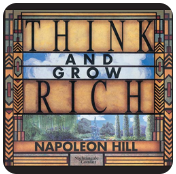
Think and Grow Rich
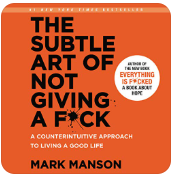
The Subtle Art of Not CaringAs an Amazon Associate, I earn from qualifying purchases.
It Is Time Sensitive
My Money School- £15.oo + VAT
Pays “The Best Interest”
🌿 Your Daily Quote 300 of 365
Daily Wisdom
Persistence turns dreams into reality.
“The future belongs to those who believe in the beauty of their dreams.”
— Eleanor Roosevelt
Powered by Living Off The Net — Directly to Your Bank

🌿 Share Your Thoughts ✍️
Your insight helps the community. Trevor will reply personally.