🎨📖 Ignite Your Imagination:
Boost Your Creativity And
Unleash Your Ideas
Explore techniques to spark imagination, generate new ideas, and think outside the box
“Creativity is intelligence having fun.” — Albert Einstein
From My Audible Library 🌿
🌿Living Off The Net 🌿 The Unexpected Lesson I Learned
From a Stranger’s Kindness
Teaches It All 🌿
Sometimes, the smallest act of kindness from a stranger can leave a lasting impact. Whether it’s a smile, a helping hand, or an unexpected compliment, these moments can teach us lessons about empathy, gratitude, and the power of human connection.
“One kind act can inspire a chain of goodness that reaches further than we can imagine.”
1. Notice the Small Gestures
Acts of kindness don’t have to be grand. Paying attention to small gestures helps us recognize the goodness in everyday life.
2. Reflect on the Impact
Think about how a stranger’s kindness affected your day, mood, or perspective. This reflection helps you understand its real value.
3. Pay It Forward
One way to honor someone’s kindness is to pass it along. Perform a small act of generosity for someone else, creating a ripple effect.
4. Learn the Lesson
Kindness teaches empathy, patience, and perspective. Consider what this moment revealed about yourself and the world.
Interactive Exercise: Experience & Share Kindness
1️⃣ Observe Kindness
Over the next 24 hours, notice every small act of kindness around you and jot them down.
2️⃣ Reflect on Feelings
Write how each act made you feel and what lesson it taught you about empathy and connection.
3️⃣ Perform Your Own Act
Do a small act of kindness for a stranger or someone you know and note their reaction.
4️⃣ Share Your Experience
Reflect on the chain reaction your act created and how it influenced your day or mindset.
Note: There’s a form at the bottom of this page. Once you fill it in, you’ll instantly receive an email from me — plus a special resource you can easily share with your friends, family, and colleagues.
Trevor [Wales UK] has 20 years online experience, founder of multiple digital ventures, and fully qualified to teach everyday people how to succeed on the internet with simple, proven methods.”

Nelyn [ Philippines] “Co-founder with over 20 years supporting online ventures, dedicated to helping people learn simple digital skills and create real results with clear, beginner-friendly guidance to peolpe of the Philippines”
✅ Your daily motivational quote:
"Stay away from scammers those people who try to disparage your ambitions."
— Mark Twain
Resilience Bounce Back Stronger
Resilience allows you to recover from setbacks and keep moving toward your goals with confidence.
Resilience is not avoiding challenges but facing them, learning, and growing stronger in the process.
Embrace Challenges
See difficulties as opportunities to grow rather than obstacles to avoid.
This mindset transforms setbacks into valuable lessons.
Build Emotional Strength
Recognize and manage emotions during stress.
Emotional regulation strengthens recovery and reduces the impact of adversity.
After any setback, identify one small action you can take immediately. Action reinforces recovery and restores confidence.
Seek Support
Support networks provide perspective, guidance, and encouragement during tough times.
Final Thoughts
Resilience is built through persistence, reflection, and support. Strengthen your resilience to face challenges, recover quickly, and continue progressing toward your goals.
Develop Your Resilience
Learn strategies to recover faster, handle challenges, and stay strong under pressure.
Every bounce back builds strength and wisdom.
🛡️ Staying Safe From Scammers: How to Spot, Avoid, and Report Them
In today’s digital world, scammers are getting smarter, and their tactics more convincing. Whether you're online for business, shopping, social media, or just browsing, it's vital to stay one step ahead. Here's a comprehensive guide to keeping yourself and your loved ones safe.
🔍 Common Scammer Tactics
- Phishing emails that mimic trusted companies like banks or delivery services
- Fake tech support claiming your device has viruses
- Investment scams promising huge returns
- Romance scams on dating platforms
- Impersonation on social media asking for money or information
- Fake job offers requesting upfront fees
- Online stores that don’t deliver products
🚫 How to Avoid Being Scammed
- Never click on links from unknown or suspicious emails
- Don’t give out personal or financial information unless 100% sure
- Always double-check URLs and email addresses
- Use strong passwords and enable two-factor authentication
- Check reviews and website credibility before buying
- Be wary of high-pressure tactics or urgent demands
- If it sounds too good to be true — it probably is
🛠️ Combating Scams
- Use antivirus software and keep it updated
- Educate friends and family, especially the elderly
- Verify sources before acting on messages or calls
- Report suspicious activity to platforms immediately
- Share scam alerts and news in community groups
📢 Reporting and Warning Others
If you come across a scam, take the time to report it. You can help stop it from spreading and protect others:
- 🇬🇧 UK: Report to Action Fraud at actionfraud.police.uk
- 🇺🇸 US: Report to the FTC at reportfraud.ftc.gov
- ⚠️ Report to social platforms or email providers
- 📱 Warn others in Facebook groups, forums, and messaging apps
🛠 Final Thoughts
Scammers thrive on fear, urgency, and ignorance. The more informed you are, the harder it is for them to succeed. Stay alert, stay skeptical, and help build a safer online community. 💪🔒
🔁 Feel free to share this post to protect others from being scammed.
Staying alert and informed is your first line of defense against scammers. Below are the top 10 signs you may be walking into a trap — learn to spot them before it’s too late.
- 🔟 Too Good to Be True
If something sounds unbelievably good — like instant riches, guaranteed wins, or secret investment opportunities — it probably is. Scammers bait victims with offers that promise the world. - 9️⃣ Pressure to Act Fast
Scammers love urgency. You may hear things like “limited time only” or “act now or miss out.” They want to rush you into decisions before you can think clearly. - 8️⃣ Unsolicited Contact
Whether it’s a random text, email, call, or DM — if you didn’t request it and it comes out of the blue, be cautious. Most scams begin this way. - 7️⃣ Requests for Personal or Financial Info
Never give out your bank details, passwords, PINs, or ID numbers to someone you don’t fully trust. Real companies won’t ask for sensitive info through insecure channels. - 6️⃣ Strange Payment Methods
Gift cards, crypto wallets, wire transfers — these are untraceable and irreversible, which makes them a scammer's dream. Always be wary if you're asked to pay using these methods. - 5️⃣ Official-Looking but Fake Emails or Websites
Look out for misspelled domains (like amaz0n.com), poor grammar, or odd-looking designs. Scammers often mimic legit companies to fool you. - 4️⃣ They Ask to Keep It a Secret
A major red flag: “Don’t tell anyone about this amazing opportunity…” They isolate victims to avoid interference from friends and family who might recognize the scam. - 3️⃣ Emotional Manipulation
From fake romances to made-up tragedies, scammers use emotion to cloud your judgment. If a stranger suddenly needs money, question the motive. - 2️⃣ Too Much Information Too Quickly
Scammers overshare fake personal details or business plans to build false trust quickly. Real relationships — whether personal or business — take time. - 1️⃣ You’re Asked to Pay Upfront for a Prize or Job
If you’ve “won” something but must pay to receive it, or are offered a job but must buy equipment or training first, it’s a scam. Always.
✅ Stay Safe
- Take time to think.
- Talk to someone you trust.
- Use official websites to verify.
- Report scams to your local consumer protection agency.
🚨 In the UK? Report to:
Action Fraud
🛡️ Knowledge is your best defense. Share this list to help friends and family stay safe!
🧠❤️ How to Talk to a Loved One Who's Being Targeted – And Why Online Scams Work
It’s heartbreaking to suspect someone you care about is being scammed. Whether it's a romantic fraud, investment trick, or tech support con, your instinct is to jump in and save them. But reacting the wrong way can push them further into the scammer's hands. Understanding how scammers operate — and the psychology behind their success — is your best weapon in helping loved ones break free.
🎯 Why Smart People Still Get Scammed
- Emotional Manipulation: Scammers use fear, love, greed, and urgency to cloud judgment. It’s not about intelligence — it’s about emotion.
- Social Engineering: They exploit human nature, like the need to trust, obey authority, or not appear rude.
- Isolation: They often tell victims to keep it secret — “Don't tell your family, they won’t understand.”
- Small Commitments: Victims are led in slowly — first with small asks, then bigger ones. Each step increases their psychological investment.
💬 How to Talk to Someone Who May Be Getting Scammed
- Start Gently, Not Accusing: Begin with curiosity, not confrontation. Say something like, “That sounds interesting — how did you find out about it?”
- Validate Their Feelings: Don't call them foolish. Scammers are experts — anyone can fall for it. Say, “You’re smart — these scammers are just really sneaky.”
- Ask Open-Ended Questions: Help them think critically without telling them what to do. Try, “What would you do if it turned out they weren’t real?”
- Provide Evidence, Gently: Share articles or official scam warnings. Let them draw their own conclusions rather than feel forced.
- Rebuild Trust: If they feel embarrassed or ashamed, remind them you care about their well-being — not whether they made a mistake.
🚨 Warning Signs to Watch For
- They stop talking to friends/family about certain topics
- They're secretive about a new “relationship” or business deal
- They seem defensive when you ask questions
- They’ve started making odd payments (crypto, gift cards, wire transfers)
✅ What You Can Do
- Help them report the scam together (like Action Fraud UK or their bank)
- Offer to go over suspicious emails/messages with them
- Encourage them to talk to others — isolation increases risk
Most importantly: let them know you’re on their side. Scams thrive in secrecy and shame. Your support could be the light they need to find the way out.
🛡️ Protecting each other starts with understanding.
🧠❤️ How to Talk to a Loved One Who's Being Targeted – And Why Online Scams Work
It’s heartbreaking to suspect someone you care about is being scammed. Whether it's a romantic fraud, investment trick, or tech support con, your instinct is to jump in and save them. But reacting the wrong way can push them further into the scammer's hands. Understanding how scammers operate — and the psychology behind their success — is your best weapon in helping loved ones break free.
🎯 Why Smart People Still Get Scammed
- Emotional Manipulation: Scammers use fear, love, greed, and urgency to cloud judgment. It’s not about intelligence — it’s about emotion.
- Social Engineering: They exploit human nature, like the need to trust, obey authority, or not appear rude.
- Isolation: They often tell victims to keep it secret — “Don't tell your family, they won’t understand.”
- Small Commitments: Victims are led in slowly — first with small asks, then bigger ones. Each step increases their psychological investment.
💬 How to Talk to Someone Who May Be Getting Scammed
- Start Gently, Not Accusing: Begin with curiosity, not confrontation. Say something like, “That sounds interesting — how did you find out about it?”
- Validate Their Feelings: Don't call them foolish. Scammers are experts — anyone can fall for it. Say, “You’re smart — these scammers are just really sneaky.”
- Ask Open-Ended Questions: Help them think critically without telling them what to do. Try, “What would you do if it turned out they weren’t real?”
- Provide Evidence, Gently: Share articles or official scam warnings. Let them draw their own conclusions rather than feel forced.
- Rebuild Trust: If they feel embarrassed or ashamed, remind them you care about their well-being — not whether they made a mistake.
🚨 Warning Signs to Watch For
- They stop talking to friends/family about certain topics
- They're secretive about a new “relationship” or business deal
- They seem defensive when you ask questions
- They’ve started making odd payments (crypto, gift cards, wire transfers)
✅ What You Can Do
- Help them report the scam together (like Action Fraud UK or their bank)
- Offer to go over suspicious emails/messages with them
- Encourage them to talk to others — isolation increases risk
Most importantly: let them know you’re on their side. Scams thrive in secrecy and shame. Your support could be the light they need to find the way out.
🛡️ Protecting each other starts with understanding.
Flexibility is not weakness — it’s the secret to thriving in a changing world.
Riding the Waves of Change
Sophia had always followed a strict plan for her career. Every month, every goal, every task was scheduled. But when her company announced a sudden restructuring, her careful plan was upended. Fear and frustration threatened to overwhelm her.
Instead of resisting, Sophia made a conscious decision to **adapt**. She evaluated new opportunities, identified skills she could develop quickly, and connected with colleagues to explore alternative projects. By staying flexible, she not only survived the change but discovered a new role that aligned better with her passions and strengths.
The experience taught her that rigidity can hold you back, while adaptability opens doors and creates unexpected growth.
Lessons in Adaptability
- Embrace uncertainty: Change is constant; your attitude determines your outcome.
- Focus on controllables: Identify what you can influence and act on it.
- Develop new skills: Adaptation often requires learning quickly.
- Collaborate: Others can offer perspectives and solutions you hadn’t considered.
- Stay proactive: Anticipate change rather than react passively.
Your Action Challenge
- Identify one area in your life or work where change is occurring.
- List three actions you can take to adapt and thrive.
- Reach out to at least one person who can support or guide you.
- Apply one of your actions today and notice how it changes your perspective.
- Reflect at the end of the week on how flexibility helped you gain an advantage.
Sophia’s story reminds us that change is inevitable, but **how we respond defines our success**. Flexibility turns disruption into opportunity.
“The waves of change are unstoppable — learn to surf them, and you’ll find the horizon expanding.”
Discover Below Three Simple Ways to Succeed Online Today
Love books but short on time? 🎧
Try Audible Free & Keep a Book Forever.
Grab a 30-day Free Trial and get your first book FREE.

My "Magnificent Seven" Collection:
The Magic of Thinking Big
Rich Dad Poor Dad
Ca$hvertising
Flip the Script
Sales Training
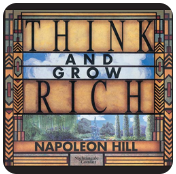
Think and Grow Rich
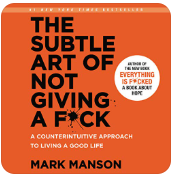
The Subtle Art of Not CaringAs an Amazon Associate, I earn from qualifying purchases.

It Is Time Sensitive
My Money School- £15.oo + VAT
Pays “The Best Interest”
🌿 Your Daily Quote 191 of 365
Daily Wisdom
Helping others is the most direct way to make the world a little brighter today.
“Spread love everywhere you go. Let no one ever come to you without leaving happier.”
— Mother Teresa

Powered by Living Off The Net — Directly to Your Bank

🌿 Share Your Thoughts ✍️
Your insight helps the community. Trevor will reply personally.