

🌿📘 Daily Growth:
Expand Your Knowledge
Every Day
Even small daily learning sessions accumulate into significant knowledge over time
“An investment in knowledge always pays the best interest.” — Benjamin Franklin
Many educators and content creators think that playing music in the background can improve focus or make lessons more enjoyable. In reality, music often becomes a hidden distraction that reduces comprehension and retention.
1. Cognitive Overload
Our brains can only process so much information at once. When you add music, your cognitive load increases, splitting attention between the lesson and the sounds. This can hinder learning, especially with complex material.
2. Memory Interference
Background music, particularly with lyrics, can interfere with verbal memory. Students or viewers trying to remember key points might struggle because their working memory is distracted by words and melodies.
3. Attention Fragmentation
Even instrumental music can fragment attention. Subtle rhythms or changes in tempo draw focus away from the main content, causing learners to miss details or skip steps unconsciously.
4. Create a Focus-Friendly Environment
To maximize learning, remove background noise. Use silence or controlled sound cues only when strategically reinforcing a point. This helps learners fully absorb information and retain it longer.
Interactive Exercise: Optimize Your Learning Environment
1️⃣ Identify Distractions
List the top three distractions in your learning or work environment. Note if background music is among them.
2️⃣ Test Silence vs Music
Try completing a task or lesson in silence and then with music. Record which version felt more focused and productive.
3️⃣ Implement Quiet Time
Schedule a block of uninterrupted time each day for learning or working. Track your focus and output.
4️⃣ Review Results
Compare productivity, comprehension, and retention before and after eliminating background music. Adjust your habits accordingly.
Note: There’s a form at the bottom of this page. Once you fill it in, you’ll instantly receive an email from me — plus a special resource you can easily share with your friends, family, and colleagues.

Why Background Music in Training Videos Can Hurt Learning
By Trevor Jones Living Off The Net Academy
One of the greatest things about being human is that we’re all different. We think differently, we learn differently — and yes, we all have different tastes in music.
That diversity makes life interesting, but it also means that what inspires one person can completely distract another. And nowhere is this more obvious than in training videos or online courses that play background music while teaching.
Music and Focus Don’t Mix for Everyone
When I’m trying to learn something new — especially from a training video — any kind of music instantly pulls my attention away from the lesson. Whether it’s gentle piano notes or upbeat electronic beats, my brain automatically tunes in to the rhythm and not the words.
I simply can’t focus on what’s being said. And I know I’m not alone.
Many people find background music during instructional content frustrating and unnecessary. It turns a learning experience into a guessing game — trying to pick out the useful information buried under a layer of “ambience.”
Would Your School Teacher Have Done That?
Think back to school days. Did your math teacher play pop songs during lessons? Did your English teacher read Shakespeare over a dance track? Of course not! Because teachers know that learning requires attention, not distraction.
Education is about clarity, not performance. It’s about helping the learner understand, not entertain.
Training Videos Should Teach, Not Perform
Some creators add background music thinking it makes their videos sound “professional” or “modern.” But professionalism comes from clear teaching, not background noise.
If your goal is to help people learn, remove anything that competes for attention — including music. A good voice, clear visuals, and a focused message are all you need.
A Real-Life Example
Take my friend Lisa, for example. She enrolled in a digital marketing course that played soft jazz in the background. By the end of the first module, she admitted she couldn’t remember half of what was taught — she had been listening to the music more than the lesson. She switched to a similar course without any background music, and within the first week, she had implemented actionable strategies that boosted her online sales. The difference? No competing distractions.
Respecting Our Differences
The beauty of humanity lies in our differences — and that includes our varied musical preferences. What relaxes one person may irritate another. That’s perfectly fine.
But when it comes to teaching, it’s best to keep the environment neutral. Silence, not sound, gives the learner’s mind room to absorb and think.
Final Thought
I walk away from any program that insists on playing music behind its lessons. It’s not personal — it’s practical. If you truly want people to learn, not just listen, turn the music off.
Because real learning happens in the quiet moments when the message is clear.
✅ Your Daily Motivational Quote
“The way to get started is to quit talking and begin doing.”
— Walt Disney
Why Background Music in Training Videos Can Hurt Learning
By Trevor Jones Living Off The Net Academy
One of the greatest things about being human is that we’re all different. We think differently, we learn differently — and yes, we all have different tastes in music.
That diversity makes life interesting, but it also means that what inspires one person can completely distract another. And nowhere is this more obvious than in training videos or online courses that play background music while teaching.
Music and Focus Don’t Mix for Everyone
When I’m trying to learn something new — especially from a training video — any kind of music instantly pulls my attention away from the lesson. Whether it’s gentle piano notes or upbeat electronic beats, my brain automatically tunes in to the rhythm and not the words.
I simply can’t focus on what’s being said. And I know I’m not alone.
Many people find background music during instructional content frustrating and unnecessary. It turns a learning experience into a guessing game — trying to pick out the useful information buried under a layer of “ambience.”
Would Your School Teacher Have Done That?
Think back to school days. Did your math teacher play pop songs during lessons? Did your English teacher read Shakespeare over a dance track? Of course not! Because teachers know that learning requires attention, not distraction.
Education is about clarity, not performance. It’s about helping the learner understand, not entertain.
Training Videos Should Teach, Not Perform
Some creators add background music thinking it makes their videos sound “professional” or “modern.” But professionalism comes from clear teaching, not background noise.
If your goal is to help people learn, remove anything that competes for attention — including music. A good voice, clear visuals, and a focused message are all you need.
A Real-Life Example
Take my friend Lisa, for example. She enrolled in a digital marketing course that played soft jazz in the background. By the end of the first module, she admitted she couldn’t remember half of what was taught — she had been listening to the music more than the lesson. She switched to a similar course without any background music, and within the first week, she had implemented actionable strategies that boosted her online sales. The difference? No competing distractions.
Respecting Our Differences
The beauty of humanity lies in our differences — and that includes our varied musical preferences. What relaxes one person may irritate another. That’s perfectly fine.
But when it comes to teaching, it’s best to keep the environment neutral. Silence, not sound, gives the learner’s mind room to absorb and think.
Final Thought
I walk away from any program that insists on playing music behind its lessons. It’s not personal — it’s practical. If you truly want people to learn, not just listen, turn the music off.
Because real learning happens in the quiet moments when the message is clear.
KNOW THIS 🚀 A new wave of digital freedom is rising — people everywhere are discovering how to live, learn, and earn online through Living Off The Net and the inspiring SKOOL Community.
🌍 The Extraordinary Rise of Living Off The Net and the SKOOL Community
By Trevor Jones — Living Off The Net Academy
Inspiration from:
Living Off The Net Academy | LeadsLeap FREE Tools | The Money School Community
📩 My Recommended Advice Stay Connected and Keep Learning
Note: There’s a form at the bottom of this page. Once you fill it in, you’ll instantly receive an email from me — plus a special resource you can easily share with your friends, family, and colleagues.

When you sign up, you’ll get an exciting new blog post delivered straight to your inbox every day for a full year. Each post is designed to teach you valuable tips, strategies, and ideas you can apply immediately. This is a limited-time opportunity — once it’s full, registration closes!
Don’t worry — I never send emails without giving you full control. Every email includes an unsubscribe link, so you can opt out anytime, hassle-free.
Knowledge compounds when curiosity meets consistent action.
From Small Questions to Big Insights: How One Habit Opened Doors
Sophia had always loved learning, but life’s routines had left her feeling stagnant. Each day blurred into the next: work, chores, sleep, repeat. One evening, she stumbled upon a short video about “micro-learning” — spending just 20 minutes daily to explore a topic outside her usual routine. Intrigued, she decided to try it.
The first week was simple: reading an article on astronomy, watching a documentary on ancient civilizations, and listening to podcasts about innovative technologies. Each session sparked questions she never considered before. “Why does the universe expand?” “How did societies survive without modern tools?” “What drives innovation in unexpected places?”
Her notes grew. She began connecting ideas across disciplines, noticing patterns between history, science, and art. A seemingly random article about butterfly migration led her to an idea she could apply in her marketing projects. Insights multiplied, but the real magic was in the habit itself — she was rewiring her brain to notice, question, and explore.
Weeks turned into months. Sophia’s curiosity began to influence every part of her life. She approached problems at work with creativity, handled challenges with resourcefulness, and sparked conversations that others described as “refreshing” and “inspiring.” She realized growth wasn’t only about accumulating knowledge — it was about creating connections between what she already knew and what she was learning.
One afternoon, Sophia joined a local workshop on sustainable living. Her questions, sparked by months of micro-learning, impressed the facilitator. She was invited to collaborate on a community project, something she never would have considered before her new daily habit. Knowledge, she discovered, didn’t just enrich her mind — it created opportunities, networks, and impact.
The habit also gave her confidence. Even small discoveries — understanding the basics of a new language, exploring a scientific theory, learning a practical skill — reminded her she could always expand her world. Growth became a daily adventure rather than a daunting challenge.
By the end of the year, Sophia reflected on how much her perspective had shifted. She had learned more than she had in several previous years combined. But the real lesson was simple: the consistent pursuit of knowledge, no matter how small each day, compounds into profound personal and professional growth.
Daily growth isn’t about rushing to finish books or master entire subjects. It’s about sparking curiosity, asking questions, and exploring the answers consistently — letting knowledge shape your life one day at a time.
Discover Below Three Simple Ways to Succeed Online Today
Love books but short on time? 🎧
Try Audible Free & Keep a Book Forever.
Grab a 30-day Free Trial and get your first book FREE.
My "Magnificent Seven" Collection:

The Magic of Thinking Big
Rich Dad Poor Dad
Ca$hvertising
Flip the Script
Sales Training
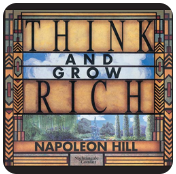
Think and Grow Rich
The Subtle Art of Not CaringAs an Amazon Associate, I earn from qualifying purchases.

It Is Time Sensitive
My Money School- £15.oo + VAT
Pays “The Best Interest”
🌿 Blog Post Extra Quote 44 of 365
Discipline today builds independence tomorrow.
“We are what we repeatedly do. Excellence, then, is not an act, but a habit.”
— Aristotle
Powered by Living Off The Net — Directly to Your Bank

🌿 Share Your Thoughts ✍️
Your insight helps the community. Trevor will reply personally.