🕊️ Mental Freedom: Freedom Through Mindset
True freedom comes when your thoughts and beliefs empower action, rather than limit it
“Your mindset determines your success; free your mind and the world opens up.” — Adapted wisdom
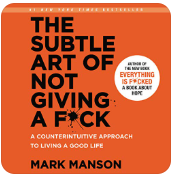
From My Audible Library 🌿
🌿Living Off The Net 🌿 How to Make Learning Fun for Kids
Teaches It All 🌿
Kids learn best when they’re having fun. Making lessons playful, hands-on, and curiosity-driven helps children retain information, build confidence, and develop a love of learning that lasts into adulthood.
“Tell me and I forget. Teach me and I remember. Involve me and I learn.” — Benjamin Franklin
1. Turn Lessons into Games
Transform drills and practice into friendly competitions, scavenger hunts, or timed challenges. Games make repetition enjoyable and give immediate feedback in a playful way.
2. Use Hands-On Activities
Children learn by doing. Science experiments, building projects, and arts-and-crafts let kids explore concepts physically, which boosts understanding and memory.
3. Connect Learning to Interests
Tap into a child’s hobbies—sports, dinosaurs, space, music—and weave lessons around those themes. Interest-based learning increases focus and motivation.
4. Short Bursts and Rewards
Keep sessions short and celebrate progress. Small rewards, stickers, or a quick praise ritual reinforce effort and make kids proud of their achievements.
Interactive Exercise: Plan a Fun Learning Session
1️⃣ Choose a Topic
Pick a subject (math, reading, science) and a child-friendly theme (e.g. pirates, space) to build around.
2️⃣ Create a Game
Design a short game or challenge that practises the skill—score points for correct answers or quick thinking.
3️⃣ Add a Hands-On Task
Include a simple craft, experiment, or building activity related to the theme to reinforce learning by doing.
4️⃣ Celebrate & Reflect
Finish with a quick praise ritual and one question about what they learned to boost retention.
Note: There’s a form at the bottom of this page. Once you fill it in, you’ll instantly receive an email from me — plus a special resource you can easily share with your friends, family, and colleagues.
Trevor [Wales UK] has 20 years online experience, founder of multiple digital ventures, and fully qualified to teach everyday people how to succeed on the internet with simple, proven methods.”
Nelyn [ Philippines] “Co-founder with over 20 years supporting online ventures, dedicated to helping people learn simple digital skills and create real results with clear, beginner-friendly guidance to peolpe of the Philippines”
✅ Your daily motivational quote:
"Act as if what you do makes a difference. It does."
— William James
Productivity Work Smarter, Achieve More
Productivity is about maximizing output with intention and focus. Working smarter, not just harder, ensures progress toward goals while preserving energy and balance.
Being productive is not about filling your day with tasks, but about achieving meaningful results. Strategic planning, efficient execution, and continuous improvement allow you to accomplish more in less time while maintaining quality.
Prioritize High-Impact Tasks
Not all work contributes equally to your goals. Identify high-value tasks that move the needle and focus on completing them first. Low-priority tasks can be delegated, delayed, or eliminated.
For example, preparing a client proposal is higher impact than sorting emails — prioritize accordingly.
Plan and Structure Your Day
Create a schedule that allocates focused time blocks for important tasks. Structured planning reduces decision fatigue, increases clarity, and helps maintain momentum throughout the day.
Tools like calendars, planners, or digital task managers help organize and visualize priorities effectively.
Use the 80/20 principle: focus on the 20% of tasks that generate 80% of your results. Concentrating on high-impact actions accelerates progress and reduces wasted effort.
Minimize Distractions
Distractions fragment attention and slow progress. Turn off notifications, create a dedicated workspace, and limit multitasking to maintain focus.
Even short interruptions can cost significant time over the course of a day. Protect your focus like a valuable asset.
Batch Similar Tasks
Grouping similar tasks together increases efficiency. Batch emails, calls, or repetitive work to reduce mental switching costs and improve workflow.
For example, check and respond to emails at scheduled times instead of constantly interrupting other work.
Take Breaks to Recharge
Rest and recovery are essential for sustained productivity. Short breaks restore focus, reduce fatigue, and improve mental clarity.
Techniques like the Pomodoro method (25–50 minutes work, 5–10 minutes break) optimize energy and maintain consistent performance throughout the day.
Continuously Evaluate and Improve
Regularly review workflows, tools, and habits to identify areas for improvement. Small adjustments in process or strategy can significantly enhance output over time.
Reflect on completed tasks and achievements to learn what works best and refine your approach for future productivity.
Final Thoughts
Productivity is cultivated through prioritization, structured planning, focus, efficient workflows, and strategic breaks. Working smarter, not just harder, allows you to achieve more while maintaining energy, balance, and satisfaction.
Remember, consistent, intentional actions compound into meaningful results. Each productive step brings you closer to your goals and personal growth.
Increase Your Productivity Today
Explore strategies, tools, and techniques to prioritize tasks, maintain focus, and achieve meaningful results efficiently.
Every productive action compounds into progress, clarity, and success.

Not every season is for action. Some are for positioning.
The Power of Strategic Patience
Omar had applied for a leadership role he deeply wanted. He prepared thoroughly, interviewed well, and felt confident. When the rejection email came, frustration hit hard.
His first instinct was to apply elsewhere immediately — to prove something, to regain momentum. But instead of reacting, he paused.
He requested feedback. He learned that while his performance was strong, he lacked experience managing cross-functional teams. That insight shifted everything.
Rather than chasing another title, Omar volunteered for internal projects that stretched his leadership exposure. He stayed visible. He sharpened specific gaps.
Eight months later, when a similar role opened, he was no longer just qualified — he was undeniable.
Patience didn’t mean passivity. It meant preparation without panic.
Understanding Strategic Patience
- Delay can be data: Rejection often reveals missing pieces.
- Reaction clouds judgment: Calm evaluation creates leverage.
- Growth in hidden seasons compounds quietly: Not all progress is public.
- Positioning beats rushing: Timing amplifies readiness.
- Silence can build strength: Not every move needs immediate action.
Pause & Position Exercise
- Identify one recent disappointment.
- Extract one skill gap or insight from it.
- Create a low-pressure way to strengthen that area.
- Resist the urge to rush a replacement opportunity.
- Trust that preparation changes your next outcome.
Waiting feels uncomfortable because it removes control. But when waiting is intentional, it builds depth, clarity, and leverage.
“Move when you are ready — not when you are emotional.”
It Is Time Sensitive
My Money School- £15.oo + VAT
Pays “The Best Interest”
🌿 Your Daily Quote 295 of 365
Daily Wisdom
True wisdom begins with listening.
“Wise men speak because they have something to say; fools because they have to say something.”
— Plato
Powered by Living Off The Net — Directly to Your Bank

🌿 Share Your Thoughts ✍️
Your insight helps the community. Trevor will reply personally.