

March 16, 2026
The Analog Revival: Why Physical Goods are the Ultimate Digital Hedge
In an era of deepfakes, ephemeral cloud subscriptions, and vanishing data, we are witnessing a powerful counter-movement. For those Living Off The Net, the "Analog Revival" is not a nostalgic retreat; it is a strategic diversification. As the digital world becomes increasingly intangible and volatile, physical goods provide a grounding reality and a store of value that cannot be "deleted" or "unsubscribed."
When the power goes out or the server goes down, the physical world remains. Owning things you can touch is the ultimate insurance policy for your mind and your estate.
The Three Pillars of Analog Wealth
To balance a digital lifestyle, we must cultivate a relationship with the physical through these avenues:
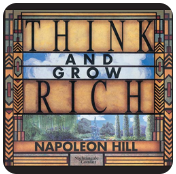
- Physical Libraries: Printed books are "read-only" in the truest sense—they cannot be updated, edited, or retracted by a publisher after you buy them. They are permanent records of thought.
- Tangible Assets: Tools, land, art, and mechanical machines. These items retain utility and value independent of the internet, serving as a hedge against digital inflation.
- Tactile Creation: Engaging in hobbies that produce a physical result—woodworking, gardening, or painting. These activities reconnect the brain with the physical laws of cause and effect.
The Reality Premium
As AI masters the art of the "perfect" digital image, the value of the "imperfect" physical object skyrockets. A hand-written letter, a vinyl record, or a hand-forged tool carries a soul and a history that a digital file never can.
The Librarian and the Cloud
🔴 Arthur was a digital maximalist. His entire life was stored on "The Cloud." He had 10,000 Kindle books, a massive streaming library, and all his journals were in a proprietary notes app. "Why own a physical book?" he would ask. "It takes up space and you can't search it. The digital version is superior in every way."
His neighbor, Clara, was a restorer of old furniture and a collector of rare, out-of-print books. Her house smelled of cedar and old paper. She didn't have many followers, but she had a workshop full of tools that had belonged to her grandfather.
One afternoon, the service provider for Arthur’s main library platform underwent a "terms of service" update and a massive server migration. Thousands of Arthur's "purchased" books disappeared overnight due to licensing disputes. His notes app went offline for a week, leaving him unable to access his own thoughts. He felt as if a part of his brain had been amputated.
"If you can't hold it in your hand, you don't truly own it; you are just renting it from a corporation that doesn't know you exist."
He sat in Clara’s garden, looking defeated. "Everything I thought I 'owned' is gone, Clara. I paid for it, but I don't have it."
Clara handed him a book from 1924. "This book doesn't need a password, Arthur. It doesn't need a subscription. It’s been here for a hundred years, and it will be here for a hundred more. When I fix a chair, it stays fixed. When I read this book, the words don't change based on a new algorithm."
Arthur realized that in his chase for "convenience," he had sacrificed his "permanence." He started a new tradition that day. For every ten digital books he read, he bought one physical copy of the one that changed his life the most. He started learning to garden, finding a strange, deep satisfaction in the dirt under his fingernails—a feeling no haptic feedback motor could ever replicate.
He still lived off the net, but he no longer lived *only* in it. He realized that the digital world is a great place to visit, but the physical world is the only place to truly dwell.
What is one small thing you can do today that aligns with your core values?





🌿 Share Your Thoughts ✍️
Your insight helps the community. Trevor will reply personally.