🌱 Embrace the Challenge: Growth Through Discomfort
Discomfort signals growth opportunities — leaning into challenges builds resilience and skill
“Strength and growth come only through continuous effort and struggle.” — Napoleon Hill
From My Audible Library 🌿
🌿Living Off The Net 🌿 Money Mistakes to Avoid in Your 20s
Teaches It All 🌿
Your 20s are a critical time to build financial habits that last a lifetime. Avoiding common money mistakes now can set the stage for stability and freedom in your future.
“Do not save what is left after spending, but spend what is left after saving.” — Warren Buffett
1. Ignoring a Budget
Failing to track income and expenses can lead to overspending. Create a simple budget to understand where your money goes and where to save.
2. Racking Up Credit Card Debt
High-interest debt can spiral quickly. Use credit cards responsibly, paying off balances each month to avoid unnecessary interest payments.
3. Not Saving Early
Even small amounts saved in your 20s can grow significantly due to compound interest. Start with an emergency fund and gradually invest for the future.
4. Overlooking Retirement Accounts
It’s never too early to plan for retirement. Contributing to retirement accounts now gives you a huge advantage over starting later in life.
Interactive Exercise: Money Check-Up
1️⃣ Create a Budget
Write down your monthly income and categorize expenses to see where adjustments are needed.
2️⃣ Check Credit Card Use
List your credit cards, balances, and interest rates. Plan to pay off high-interest cards first.
3️⃣ Start an Emergency Fund
Set aside a small amount weekly or monthly to cover unexpected expenses.
4️⃣ Open a Retirement Account
Research IRAs or workplace retirement plans and start contributing, even if minimally.
Note: There’s a form at the bottom of this page. Once you fill it in, you’ll instantly receive an email from me — plus a special resource you can easily share with your friends, family, and colleagues.
Trevor [Wales UK] has 20 years online experience, founder of multiple digital ventures, and fully qualified to teach everyday people how to succeed on the internet with simple, proven methods.”
Nelyn [ Philippines] “Co-founder with over 20 years supporting online ventures, dedicated to helping people learn simple digital skills and create real results with clear, beginner-friendly guidance to peolpe of the Philippines”
✅ Your daily motivational quote:
"It always seems impossible until it’s done."
— Nelson Mandela
Decision Making Choose Wisely, Act Confidently
Strong decision-making skills allow you to act with clarity, reduce regret, and achieve goals more efficiently.
Every day, we make countless decisions, both big and small. Some choices have immediate consequences, while others influence the long-term path of our personal and professional lives. Effective decision-making combines clarity, logic, and confidence, reducing uncertainty and improving outcomes.
Clarify Your Goals and Values
Decisions are easier when aligned with your core values and objectives. Before choosing a path, ask yourself: “Does this move me toward my goals?” and “Does it align with my principles?” This ensures choices are consistent with your long-term vision.
For instance, choosing a career opportunity should reflect not only financial benefits but also personal growth and fulfillment.
Gather Relevant Information
Informed decisions require understanding the facts, risks, and potential outcomes. Collect relevant data, research alternatives, and seek expert opinions when necessary. Avoid making choices based solely on assumptions or incomplete information.
For example, before investing in a project, review market trends, costs, and potential challenges to make a rational decision.
Create a pros and cons list for major decisions. Writing down advantages and disadvantages clarifies options and highlights the path that best aligns with your objectives.
Consider Short-Term vs Long-Term Impact
Evaluate the immediate benefits against long-term consequences. Some choices may offer instant gratification but hinder future growth. Prioritize decisions that align with long-term goals and sustainable success.
For example, spending excessively today may provide pleasure, but saving and investing ensures financial security over time.
Trust Your Intuition
While data and analysis are important, intuition — shaped by experience — can guide decisions in uncertain situations. Listen to your gut when facts are limited, but ensure intuition is informed rather than impulsive.
Make Decisions Promptly
Procrastination and overthinking erode confidence and waste valuable time. Gather sufficient information, then commit to a choice. Timely action reduces stress and creates momentum.
Even imperfect decisions provide opportunities to learn, adjust, and improve future choices.
Learn from Past Decisions
Reflect on previous decisions — both successes and mistakes. Identify patterns, effective strategies, and lessons learned. This reflection strengthens future decision-making and builds confidence.
Final Thoughts
Decision-making is a skill cultivated through clarity, information, alignment with values, evaluation of impacts, intuition, timely action, and reflection. By practicing these principles, you can make choices confidently, minimize regret, and steer your life toward meaningful outcomes.
Remember, indecision can be costlier than an imperfect choice. Take control, trust yourself, and refine your decisions through experience.
Enhance Your Decision-Making Skills
Explore tools, exercises, and strategies to make informed, confident choices in every area of life.
Each decision you make thoughtfully builds clarity, confidence, and long-term success.

Motivation isn’t found — it’s sparked by action and momentum.
Igniting Motivation When Energy is Low
Sophia was a busy entrepreneur juggling multiple projects. Some days, the energy simply wasn’t there — she felt tired, overwhelmed, and unmotivated. Yet deadlines loomed, and progress couldn’t wait. She discovered a simple principle that changed everything: motivation follows action, not the other way around.
Instead of waiting to “feel motivated,” Sophia committed to a 10-minute productivity ritual every morning. She would pick one small, achievable task — responding to emails, writing a paragraph, or reviewing a plan — and do it immediately. Starting small created momentum. One small completed task led to another, and soon her energy and focus naturally increased.
By evening, Sophia often reflected on a day filled with accomplishment, even on days she had felt drained in the morning. She realized that waiting for motivation was a trap; taking deliberate action ignited the drive to continue.
Lessons in Action-Based Motivation
- Start small: Even tiny tasks create momentum.
- Commit to consistency: Daily action builds confidence and energy.
- Use micro-goals: Short, clear objectives prevent overwhelm.
- Celebrate small wins: Each completed action fuels further effort.
- Momentum breeds motivation: Action leads to energy, not the other way around.
Your Action Challenge
- Choose one small, meaningful task you’ve been avoiding.
- Set a timer for 10 minutes and complete that task now.
- Notice how completing it sparks further action and focus.
- Repeat this ritual each morning for a week, building energy and consistency.
- Reflect at the end of the week on how action influenced motivation and results.
Sophia’s story reminds us that **waiting for motivation is optional** — action is the spark that ignites energy, focus, and productivity.
“Start moving, even a little, and motivation will follow — momentum is the true fuel.”
Discover Below Three Simple Ways to Succeed Online Today
Love books but short on time? 🎧
Try Audible Free & Keep a Book Forever.
Grab a 30-day Free Trial and get your first book FREE.
My "Magnificent Seven" Collection:
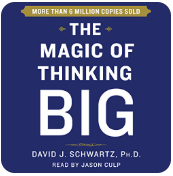
The Magic of Thinking Big
Rich Dad Poor Dad
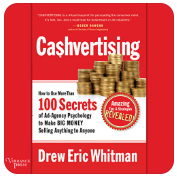
Ca$hvertising
Flip the Script
Sales Training
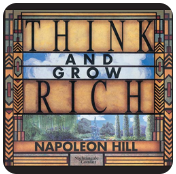
Think and Grow Rich
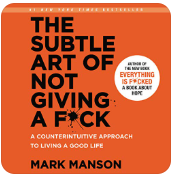
The Subtle Art of Not CaringAs an Amazon Associate, I earn from qualifying purchases.
It Is Time Sensitive
My Money School- £15.oo + VAT
Pays “The Best Interest”
🌿 Your Daily Quote 287 of 365
Daily Wisdom
Growth happens at the edge of comfort.
“Life begins at the end of your comfort zone.”
— Neale Donald Walsch
Powered by Living Off The Net — Directly to Your Bank

🌿 Share Your Thoughts ✍️
Your insight helps the community. Trevor will reply personally.