👉 Practical ways to build income using your computer

Powered by Living Off The Net — Directly to Your Bank

Quick and practical ideas to help you think outside the box and enjoy the process
In affiliate marketing, trust is everything. If your links feel shady or unverified, people won’t click. Building credibility is the key to higher conversions and long-term success.
“Trust is earned — give value first.” — Unknown
Only promote products you have tested or researched thoroughly. Your audience will notice authenticity and appreciate honest recommendations.
Disclose affiliate relationships clearly. Honesty builds trust, and readers are more likely to follow through if they feel respected.
Provide valuable content before asking for a click. Solve problems, educate, or entertain, then naturally introduce your affiliate link.
Use tracking tools to see what works. This allows you to refine your strategy, focus on what converts, and avoid promoting low-performing links.
Pick one affiliate product and research reviews, features, and performance to ensure it's trustworthy.
Write a short disclaimer explaining your affiliate relationship honestly to your audience.
Develop a blog snippet, video, or social post providing useful info before mentioning your affiliate link.
Set up tracking for clicks and conversions, then analyze which links and placements perform best.
Note: There’s a form at the bottom of this page. Once you fill it in, you’ll instantly receive an email from me — plus a special resource you can easily share with your friends, family, and colleagues.

Practical, fun ways to ignite imagination and generate ideas every day
Meet Ava. She loved learning and exploring online opportunities, but she often struggled to come up with fresh ideas. Inspiration seemed to disappear when she needed it most — until she discovered ways to intentionally spark her creativity.
Ava realized that being in the same space all day limited her imagination. By moving around and adjusting her environment, new ideas flowed naturally.
Example: Working from a café, rearranging her desk, or stepping outside for a walk gave her a fresh perspective and sparked innovative thoughts.
She began mind mapping — writing down one main concept and branching out with related ideas. This visual method helped her see connections she might otherwise miss.
Example: Starting with “online income,” branches included “freelancing,” “affiliate marketing,” “micro-tasks,” and “digital products.” Each branch led to more detailed ideas.
Ava discovered that limiting herself in small ways boosted creativity. Constraints force the brain to think outside the box.
Example: Writing a short blog post in only 300 words or designing a logo using just two colors challenged her to find creative solutions she wouldn’t have considered otherwise.
Inspiration often comes from outside your own experiences. Ava explored books, videos, podcasts, and online communities to spark ideas she could adapt.
Example: Watching tutorials on a completely unrelated topic sometimes gave her an idea for a blog post or side project in her niche.
Ava kept a notebook and voice memos to capture sudden sparks of creativity. Even tiny ideas can grow into major projects later.
Example: A one-line thought about a video script, a catchy headline, or a new product idea could be recorded and expanded on later when she had more focus.
Ava found that small daily practices — changing environment, mind mapping, playful constraints, seeking inspiration, and capturing ideas — created a habit of creativity. Over time, she generated more ideas, solved problems faster, and found her online projects more exciting and productive.
Spark your imagination through mindful habits, playful experiments, and capturing ideas — and watch inspiration become part of your everyday life.
A habit of creativity transforms not just your work, but your entire approach to challenges and opportunities.
Learn how transparency, authenticity, and smart strategies can make your affiliate links trustworthy and clickable.
James had been sharing affiliate links for months, promoting software tools, online courses, and digital products. Yet, his clicks were low, and conversions were even lower. Frustrated, he began to wonder: “Are people even trusting my recommendations?” It wasn’t about the products themselves — it was about the trust he built (or didn’t) with his audience.
He started researching what makes an affiliate link credible. The first realization: transparency is everything. Simply posting a link without context felt impersonal and spammy. Instead, he began to share his genuine experiences, explaining why he recommended the product, what problems it solved, and how it had benefited him personally. That shift from selling to storytelling immediately made his links more persuasive.
James created mini-reviews, tutorials, and honest comparisons. He didn’t just highlight the positives — he mentioned limitations too. Sharing this insight reassured his audience that he was honest, not just chasing commissions. Clicks increased, engagement improved, and the audience started asking for more recommendations.
He also learned to properly disclose affiliate relationships. A simple statement like “I may earn a small commission if you purchase through this link at no extra cost to you” went a long way. It made his links transparent and legally compliant, while reinforcing trust.
To make links even more compelling, James embedded them in stories rather than isolated mentions. Instead of: “Buy this course here”, he wrote:
“Last month, I struggled to finish a project on time. I discovered this course, followed its step-by-step lessons, and finished in record time. Here’s the link if you want to try it too.”
This approach worked because readers could relate to the problem, see the solution, and then click the link naturally. Browsers turned into buyers not because they were pressured, but because they were invited into a narrative that resonated.
James experimented with link placement as well. He learned that links worked best when they were:
Additionally, using call-to-actions like “See how it helped me save hours on my project” increased engagement without feeling pushy.
Over time, James developed a pattern. Each week, he shared valuable content and included affiliate links naturally where they solved specific problems. Readers began to trust him not just as a content creator but as a guide. With consistent honesty, his affiliate links became almost invisible as “sales tools” — they were perceived as genuine solutions.
He also measured performance carefully: which links were clicked, which content led to conversions, and what stories resonated. Data allowed him to double down on strategies that worked while refining weaker approaches.
By focusing on trust and storytelling, James transformed his affiliate marketing. Instead of struggling to get clicks, his audience began to actively seek his recommendations, confident that his links led to products worth buying. What once felt like a numbers game became a relationship-driven strategy that consistently delivered results.
✅ Your Daily Motivational Quote
"A goal is a dream with a deadline.”
— Napoleon Hill
You’re right to be cautious — many affiliate marketers rely on visible cues like a name or referral ID in their links. So when a link doesn’t display that, it can be unsettling.
But Many companies use PartnerStack to manage its affiliate program. When you’re logged in and grab your link — even if it just looks like this:
— it’s already embedded with tracking mechanisms behind the scenes via cookies and redirect paths. Here’s how it works:
This method is cleaner and more secure. It protects the program from manipulation, keeps links shorter and more brand-friendly, and still ensures full tracking accuracy.
If the link was issued from inside your PartnerStack dashboard or your AWeber affiliate account, it’s already linked to your profile. You can also test it by clicking your link and then checking your dashboard for a recorded click.
So although it’s natural to feel unsure, you’re 100% safe using that link. The system is smart enough to track everything you need without showing your ID on the surface.
Still not convinced? You can even open a support ticket inside PartnerStack and ask them to confirm the link is yours — they’ll reassure you just like this.
If you’ve ever stared at a plain-looking affiliate link and thought, “Wait… is this even mine?” — you’re not alone.
As affiliate marketers, we’ve been conditioned to look for something familiar in our links — maybe a username, an ID, or a referral code like this one:
Seeing that little piece of personal info reassures us that when someone clicks and signs up, we’ll get the commission.
So it’s understandable — even smart — to feel uncertain when a company gives you an affiliate link that doesn’t look personalized at all.
That’s exactly what happened when I was given my AWeber Plus affiliate link some years back:
At first glance, it doesn’t show my name, my ID, or anything to suggest it’s tied to me. Honestly, I thought maybe I’d been given a generic public link by mistake. And I bet many other affiliates have thought the same thing.
Here’s the thing:
Some companies (like AWeber) use a more professional-looking, cleaner link format managed by third-party platforms such as PartnerStack. These links often hide the tracking details for security, branding, and anti-fraud purposes.
But if they don’t explain this clearly when they issue your link, it can create confusion — even doubt.
And that’s a missed opportunity to build trust with affiliates.
It would be helpful if companies included a simple line like:
"Your link may not visibly show your ID, but it is fully tracked to your account through secure tracking cookies and redirects. Rest assured, your referrals are being tracked correctly."
Just that short explanation could prevent a ton of confusion — and even help new affiliates feel more confident promoting.
This is where I want to assure you (and any affiliate reading this) — if you're logged into the right dashboard and the link is listed under your resources, it’s yours. Even if your name or ID isn’t visible in the URL.
This is especially true with AWeber and their PartnerStack affiliate system.
(Insert the technical explanation here — the previous detailed message that begins with “You're right to be cautious…”)
Affiliate marketers deserve transparency — especially when it comes to something as important as tracking links. If a link looks suspiciously generic, it's natural to hesitate. But in many modern systems, "invisible tracking" is the new normal, and it works just fine as long as you're using the official dashboard-provided links.
So don’t let the lack of a visible ID fool you — test, track, and trust.
If you're promoting AWeber, here’s the link you can confidently share, just like I do:
👉 https://achieve.aweber.com/pro.htm
Want help promoting affiliate tools like AWeber the smart way? Keep an eye on this blog — I’ve got plenty more tips to help you Live Off The Net.
Learn how to build trust with your audience by ensuring your affiliate links appear legitimate. Click each step to reveal key actions for gaining trust and boosting clicks.
You’re right to be cautious — many affiliate marketers rely on visible cues like a name or referral ID in their links. So when a link doesn’t display that, it can be unsettling.
But AWeber uses PartnerStack to manage its affiliate program. When you’re logged in and grab your link — even if it just looks like this:
— it’s already embedded with tracking mechanisms via cookies and redirect paths. Here’s what happens:
This cleaner method makes links shorter, more brandable, and harder to manipulate — while still tracking perfectly.
Tip: You can test it by clicking your own link and checking the "clicks" inside your PartnerStack dashboard.
So don’t worry — your efforts are being tracked properly even if you don’t see your name in the URL.
Try Audible Free & Keep a Book Forever.
Grab a 30-day Free Trial and get your first book FREE.
The Magic of Thinking Big
Rich Dad Poor Dad
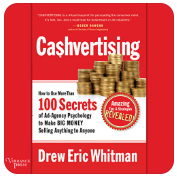
Ca$hvertising
Flip the Script
Sales Training
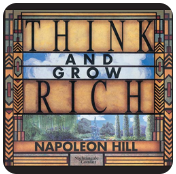
Think and Grow Rich
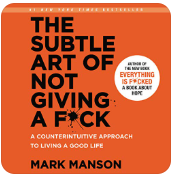
The Subtle Art of Not CaringAs an Amazon Associate, I earn from qualifying purchases.

Ideas are worthless without execution. Take action.
Extra Daily Quote
“Vision without execution is just hallucination.”
— Thomas Edison
© 2026 Living Off The Net — All Rights Reserved
All content on LivingOffTheNet.com is protected by copyright and intellectual property laws.