🧠 Forge Your Own Path: Thinking Independently
Independent thinking empowers you to make informed decisions rather than following the crowd
“Do not go where the path may lead, go instead where there is no path and leave a trail.” — Ralph Waldo Emerson
From My Audible Library 🌿
🌿Living Off The Net 🌿 Passive Income Streams Explained
Teaches It All 🌿
Passive income allows you to earn money with minimal daily effort, freeing up time and building financial stability. Understanding the types of streams available can help you create long-term wealth.
“Don’t work for money, make money work for you.” — Robert Kiyosaki
1. Rental Income
Invest in property or vacation rentals to generate monthly income. Platforms like Airbnb simplify short-term rental management, giving steady returns.
2. Dividend Stocks
Investing in dividend-paying stocks provides regular income without selling your shares. Reinvest dividends to compound wealth over time.
3. Digital Products
Create ebooks, templates, or online courses. Once made, these products can sell repeatedly with minimal maintenance, producing passive cash flow.
4. Affiliate Marketing
Promote products or services online and earn commissions on sales. A well-targeted audience can generate consistent passive income over months or years.
Interactive Exercise: Identify Your Passive Income Stream
1️⃣ List Your Interests
Write down your skills and passions. Matching them with a passive income method increases long-term success.
2️⃣ Evaluate Potential Streams
Research rental, digital, stock, or affiliate options. Consider setup costs, effort, and potential returns.
3️⃣ Choose One Stream
Pick the passive income idea that best aligns with your resources and interests to start immediately.
4️⃣ Plan Your Launch
Create a step-by-step plan to implement the passive income source, set goals, and monitor results.
Note: There’s a form at the bottom of this page. Once you fill it in, you’ll instantly receive an email from me — plus a special resource you can easily share with your friends, family, and colleagues.
Trevor [Wales UK] has 20 years online experience, founder of multiple digital ventures, and fully qualified to teach everyday people how to succeed on the internet with simple, proven methods.”
Nelyn [ Philippines] “Co-founder with over 20 years supporting online ventures, dedicated to helping people learn simple digital skills and create real results with clear, beginner-friendly guidance to peolpe of the Philippines”
✅ Your daily motivational quote:
"Your time is limited, so don’t waste it living someone else’s life."
— Steve Jobs
Time Management Make Every Minute Count
Effective time management maximizes productivity, reduces stress, and creates space for personal growth and meaningful experiences.
Time is a finite resource. How we allocate it determines our productivity, personal satisfaction, and ability to achieve goals. Effective time management is not about cramming more into the day — it’s about prioritizing, planning, and using time intentionally. By mastering your schedule and energy, you can accomplish more while maintaining balance and well-being.
Set Clear Goals
Begin by defining your short-term and long-term goals. Clarity on what you want to achieve helps prioritize activities and eliminate time-wasting tasks. Break larger goals into actionable steps and assign realistic deadlines.
For example, if your goal is to write a book, create weekly writing targets instead of trying to complete it in a single month. Goal clarity guides focus and energy toward meaningful actions.
Prioritize Tasks Effectively
Not all tasks carry equal importance. Identify high-impact tasks that directly contribute to your goals and prioritize them. Use methods like the Eisenhower Matrix to distinguish urgent versus important tasks.
Tackle important, high-priority activities first, and delegate or defer low-priority tasks. This approach ensures energy is spent on what matters most.
Use a daily planner or digital calendar to schedule key tasks. Block dedicated time for focused work, breaks, and personal activities. Seeing your day visually helps manage priorities effectively.
Batch Similar Tasks
Grouping similar tasks reduces cognitive switching and increases efficiency. For instance, handle all emails, phone calls, or administrative work in specific time blocks rather than sporadically.
Batching tasks conserves mental energy and allows for sustained focus on higher-level work during uninterrupted periods.
Avoid Multitasking
Multitasking divides attention, reduces quality, and slows progress. Focus on one task at a time, complete it fully, then move to the next. Single-tasking ensures higher-quality output and faster completion.
Set Time Limits
Assign specific durations to tasks to prevent perfectionism or overworking. Parkinson’s Law states that work expands to fill the time allocated. Setting boundaries encourages efficiency and prevents wasted time.
For example, allow 30 minutes for emails rather than leaving them open all day. Strict time limits create focus and maintain momentum.
Take Breaks and Recharge
Continuous work without rest reduces productivity and increases stress. Schedule regular breaks for movement, mindfulness, or brief relaxation. These intervals refresh energy, boost focus, and maintain mental clarity.
Techniques like the Pomodoro method — 25 minutes of focused work followed by a 5-minute break — can help structure productive work periods.
Review and Reflect
End each day or week by reviewing accomplishments, noting areas for improvement, and planning upcoming tasks. Reflection helps identify time-wasters, reinforce productive habits, and optimize future schedules.
Final Thoughts
Time management is a skill cultivated through clarity, prioritization, structure, and self-awareness. By setting clear goals, prioritizing effectively, batching tasks, avoiding multitasking, setting time limits, taking breaks, and reviewing progress, you make every minute count.
Intentional use of time reduces stress, enhances focus, and creates space for meaningful achievements and personal growth.
Master Your Time Today
Explore strategies, planners, and exercises to manage your day effectively and maximize productivity.
Each intentional action compounds into greater efficiency, clarity, and balance.

Rejection is not the end — it’s a stepping stone to eventual success.
The Power of Persistence in the Face of Rejection
Jason had dreamed of publishing his first novel for years. He poured countless hours into writing, editing, and perfecting his story. Confident, he submitted it to dozens of publishers. One by one, rejection letters arrived — sometimes politely worded, sometimes blunt. The disappointment was crushing.
Rather than giving up, Jason decided to use each rejection as feedback. He carefully read editors’ notes, sought advice from writing mentors, and revised his manuscript. Each time, his work improved. Over two years, the accumulation of persistence, revisions, and learning gradually transformed his story into a polished masterpiece.
Eventually, a publisher recognized the effort and potential in Jason’s manuscript. His book was published, became a bestseller, and resonated with thousands of readers worldwide. The path to success had been paved with rejection, but it was his **persistent refinement and resilience** that made the difference.
Lessons in Persistence
- Rejection is feedback: Use it to improve and refine your work.
- Consistency counts: Persistent effort compounds into excellence over time.
- Seek mentorship: Guidance accelerates learning from mistakes.
- Adapt and improve: Each setback is an opportunity to get stronger.
- Keep the vision alive: Belief in your goal sustains effort through obstacles.
Your Action Challenge
- Identify a project or goal you’ve faced repeated rejection or obstacles in.
- Review what each setback has taught you — note actionable insights.
- Make one concrete improvement based on that insight today.
- Commit to persistence for a set period — e.g., 30 days — tracking progress.
- Reflect on progress weekly and adjust approach without losing momentum.
Jason’s story reminds us that **success rarely comes first try**. Each rejection, each obstacle, is part of the journey — persistence and learning are what turn dreams into reality.
“Every ‘no’ is a step closer to your ‘yes’ — persist, adapt, and never lose sight of your vision.”
Discover Below Three Simple Ways to Succeed Online Today
Love books but short on time? 🎧
Try Audible Free & Keep a Book Forever.
Grab a 30-day Free Trial and get your first book FREE.
My "Magnificent Seven" Collection:
The Magic of Thinking Big
Rich Dad Poor Dad
Ca$hvertising
Flip the Script
Sales Training
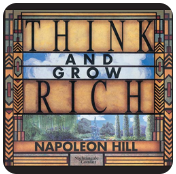
Think and Grow Rich
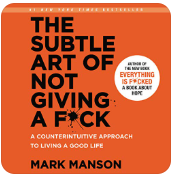
The Subtle Art of Not CaringAs an Amazon Associate, I earn from qualifying purchases.
It Is Time Sensitive
My Money School- £15.oo + VAT
Pays “The Best Interest”
🌿 Your Daily Quote 284 of 365
Daily Wisdom
Your perspective shapes your reality.
“We don’t see things as they are, we see them as we are.”
— Anaïs Nin
Powered by Living Off The Net — Directly to Your Bank

🌿 Share Your Thoughts ✍️
Your insight helps the community. Trevor will reply personally.