
Living Off The Net
Turn your computer into a daily income machine
Turn your computer into a daily income machine

“Turn Your Laptop into a Money-Making Machine With us..
Happiness grows from simple moments and mindful choices each day.
“Happiness is not something ready-made. It comes from your own actions.” — Dalai Lama

Small investments via technology can grow over time. Apps that allow micro-investing in stocks, ETFs, or crypto let you start with very little.
Cryptocurrency is a digital form of money that operates independently of banks or governments. For beginners, understanding the basics can open doors to new ways of earning, investing, and transacting in a decentralized world.
“Bitcoin is exciting because it shows how cheap it can be.” — Bill Gates
Cryptocurrency is digital money secured by cryptography. It uses blockchain technology to maintain a public ledger of transactions that is secure, transparent, and decentralized.
Bitcoin, Ethereum, and other digital currencies allow users to store value, make transactions, and participate in decentralized applications.
Transactions are verified by a network of computers, removing the need for banks. Users hold wallets that store private keys to access their funds safely.
Start small, learn how wallets and exchanges work, and never invest more than you can afford to lose. Knowledge and caution are your best allies.
Familiarize yourself with terms like blockchain, wallet, public key, and private key to understand crypto basics.
Select a secure digital wallet to store your crypto safely, either software-based or hardware-based.
Research reputable exchanges where you can buy, sell, or trade cryptocurrency safely.
Monitor your holdings, follow market news, and continue learning to make informed decisions.
Note: There’s a form at the bottom of this page. Once you fill it in, you’ll instantly receive an email from me — plus a special resource you can easily share with your friends, family, and colleagues.
Emerging platforms and tools often provide opportunities to earn income early. Stay curious and be willing to experiment with new technology.
Write down 3 repetitive tasks in your work or business that technology could automate.
Pick 2–3 online platforms you could use to sell products or services and outline a basic plan for each.
Choose a micro-investing platform and plan how much you could start investing each month.
Set up a simple spreadsheet or app to monitor your income from each technology strategy for the next month.
Note: There’s a form at the bottom of this page. Once you fill it in, you’ll instantly receive an email from me — plus a special resource you can easily share with your friends, family, and colleagues.
Joy is not something reserved for extraordinary moments; it exists in the small, often overlooked details of everyday life. Finding joy requires awareness, intention, and an appreciation for the present moment. When you actively seek happiness in daily experiences, life becomes richer, more fulfilling, and deeply rewarding.
To experience joy, start by noticing the little things. The warmth of the morning sun, a smile from a stranger, or the aroma of freshly brewed coffee can bring a spark of happiness when fully acknowledged. Mindfulness allows you to slow down and savor these moments, creating a natural sense of contentment.
Gratitude is a powerful tool for uncovering everyday joy. When you consciously recognize what you have, instead of focusing on what you lack, your perspective shifts. Daily practices like journaling or mentally noting three things you’re thankful for can significantly increase feelings of happiness and fulfillment.
Sharing joy with others multiplies it in your own life. Small gestures—offering a compliment, helping a neighbor, or sending a thoughtful message—create positive ripples that enhance your own sense of well-being. Kindness connects you with others, fostering relationships that contribute to lasting happiness.
Everyday tasks can be transformed into opportunities for joy when approached with intention. Cooking a meal, watering plants, or walking in nature can become meditative, grounding experiences. By embracing routine activities fully, you uncover moments of calm, satisfaction, and simple delight.
Your mindset shapes your experience of life. Focusing on positive aspects, celebrating small wins, and reframing challenges as growth opportunities allow joy to flourish. While life may bring hardships, cultivating an optimistic outlook helps you find light even in ordinary days.
1. Morning mindfulness: Begin your day with a few deep breaths and set an intention to notice joyful moments.
2. Gratitude journal: Write down three things you appreciate each day.
3. Connect with others: Reach out to friends, family, or colleagues with kindness.
4. Savor the present: Engage fully in activities, even routine tasks.
5. End-of-day reflection: Recall moments of happiness before sleeping to reinforce positive experiences.
Joy is not distant or unattainable—it is woven into the fabric of everyday life. By cultivating awareness, gratitude, and intentional positivity, you can uncover happiness in every moment. Small actions, mindful choices, and a focus on connection create a life that feels vibrant and meaningful.
“Happiness is found not in grand events, but in the simple joys of everyday life.”
Bitcoin has become one of the most talked-about financial innovations of the modern age. From headlines about dramatic price surges to stories of early adopters becoming wealthy almost overnight, Bitcoin has captured global attention. But beyond the excitement and speculation lies a deeper story—one about technology, financial freedom, and a completely new way of thinking about money.
Bitcoin is not simply another form of digital payment. It represents a shift in how value can be transferred between people without relying on banks, governments, or other traditional financial institutions. To truly understand Bitcoin, it helps to explore its origins, how it works, and why millions of people around the world believe it may play a role in the future of finance.
Bitcoin is a decentralized digital currency. Unlike traditional currencies such as dollars, euros, or pounds, Bitcoin is not issued or controlled by any government or central bank. Instead, it operates on a network of computers distributed around the world.
The technology behind Bitcoin is called the blockchain. A blockchain is a public digital ledger that records every transaction ever made with Bitcoin. Each transaction is grouped into blocks, and these blocks are linked together chronologically to form a chain.
Because the ledger is shared across thousands of computers, altering or falsifying a transaction becomes extremely difficult. This decentralized system provides transparency and security without needing a central authority to verify transactions.
Bitcoin first appeared in 2008 when an unknown person—or possibly a group of people—using the name Satoshi Nakamoto published a white paper titled "Bitcoin: A Peer-to-Peer Electronic Cash System."
The paper described a revolutionary idea: a digital currency that could be sent directly between individuals without the need for banks or payment processors. In January 2009, the Bitcoin network officially launched when the first block of the blockchain, known as the Genesis Block, was mined.
At the time, Bitcoin had almost no financial value. Early users were mostly programmers and technology enthusiasts who were fascinated by the concept of decentralized money.
One famous moment occurred in 2010 when a programmer paid 10,000 Bitcoins for two pizzas. Today, those same Bitcoins would be worth an extraordinary amount of money, making it one of the most famous purchases in cryptocurrency history.
Bitcoin functions through a combination of cryptography, peer-to-peer networking, and economic incentives. Several components work together to keep the system running:
This system allows people anywhere in the world to send money without needing approval from a bank or financial institution.
One of Bitcoin's most important features is its limited supply. The system is programmed so that only 21 million Bitcoins will ever exist.
This scarcity is built directly into the protocol and cannot be changed without global agreement across the network. Because of this, many investors compare Bitcoin to digital gold—a scarce asset that cannot be printed or inflated by governments.
Bitcoin introduces several powerful ideas that challenge traditional financial systems:
For many people living in countries with unstable banking systems or high inflation, Bitcoin offers an alternative way to store and transfer value.
Like any emerging technology, Bitcoin also faces criticism and challenges.
These concerns continue to fuel debate among economists, regulators, and technology experts.
Despite its challenges, Bitcoin has already changed the financial conversation around the world. It has inspired thousands of new cryptocurrencies and opened the door to innovations such as decentralized finance and blockchain applications.
Some analysts believe Bitcoin may eventually become a global store of value similar to gold, while others see it as the beginning of a broader technological revolution that could reshape financial systems.
Whatever the future holds, Bitcoin has already proven that money can exist without centralized control, powered instead by mathematics, technology, and a global network of participants.
Bitcoin represents a powerful idea: that individuals can transfer value freely across the internet without needing permission from banks or governments.
Whether viewed as an investment, a technological breakthrough, or a movement toward financial freedom, Bitcoin has permanently changed how the world thinks about money.
And perhaps the most fascinating part of the story is that it is still only the beginning.
Trevor [Wales UK] has 20 years online experience, founder of multiple digital ventures, and fully qualified to teach everyday people how to succeed on the internet with simple, proven methods.”

Nelyn [ Philippines] “Co-founder with over 20 years supporting online ventures, dedicated to helping people learn simple digital skills and create real results with clear, beginner-friendly guidance to peolpe of the Philippines”
✅ Your daily motivational quote:
"Stay away from those people who try to disparage your ambitions."
— Mark Twain

Progress begins when you decide what truly deserves your focus.
Marcus had big ambitions — start a side business, improve his health, learn a new skill. But each evening, he found himself scrolling endlessly on his phone, telling himself he would “start tomorrow.” Days turned into weeks, and little progress was made.
One Sunday, Marcus did a simple exercise: he tracked how he spent his time for 24 hours. The results were eye-opening. He realized distraction wasn’t accidental — it was habitual. So he made one powerful decision: choose direction over distraction.
He created a one-hour “focus block” each evening. Phone on airplane mode. Clear task. Defined outcome. That single hour became the most productive part of his day. Within three months, he had launched his side business website, lost weight through consistent workouts, and completed an online course. Not because he had more time — but because he chose direction.
Marcus discovered that **success isn’t about having more hours — it’s about using the hours you have intentionally**. Direction transforms ordinary time into extraordinary progress.
“Where your focus goes, your future grows — choose direction today.”
Try Audible Free & Keep a Book Forever.
Grab a 30-day Free Trial and get your first book FREE.
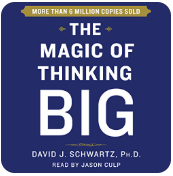 The Magic of Thinking Big
 Rich Dad Poor Dad
 Ca$hvertising
 Flip the Script
 Sales Training
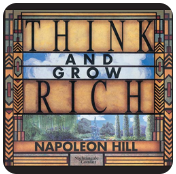 Think and Grow Rich
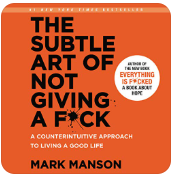 The Subtle Art of Not Caring
As an Amazon Associate, I earn from qualifying purchases.

Focus on progress, no matter how small, and success will find you steadily.
Extra Daily Quote
“The man who moves a mountain begins by carrying away small stones.”
— Confucius

 Powered by Living Off The Net — Directly to Your Bank



🌿 Share Your Thoughts ✍️
Your insight helps the community. Trevor will reply personally.