Emotional Resilience
Bounce Back Stronger
Developing emotional resilience allows you to navigate life’s challenges with strength, clarity, and a positive outlook.
“Resilience is knowing that you are the only one that has the power and the responsibility to pick yourself up.” — Mary Holloway
Life inevitably presents obstacles, setbacks, and stress. Emotional resilience is the ability to adapt, recover, and grow stronger in response to adversity. Resilient people do not avoid difficulties; they face them with awareness, manage their emotions, and learn from challenges. Building resilience enhances mental health, decision-making, and overall well-being.
Understand Your Emotions
The foundation of emotional resilience is self-awareness. Recognize your emotional responses to situations, identify triggers, and understand patterns. Journaling or mindfulness practices help increase awareness and provide insights into your reactions.
For example, noticing that criticism triggers defensiveness allows you to pause and choose a constructive response rather than reacting impulsively.
Develop Healthy Coping Strategies
Resilient individuals have a toolkit of coping mechanisms to manage stress. This may include deep breathing, physical exercise, talking with trusted friends, or engaging in creative outlets. Avoid harmful coping methods such as overindulgence, withdrawal, or avoidance.
Consistently using healthy strategies strengthens your ability to navigate challenges without being overwhelmed.
Emotional Resilience Tip:
When faced with difficulty, pause for a moment, take a deep breath, and ask yourself: “What is within my control, and what is not?” Focus energy on what you can influence.
Maintain Perspective
Resilient individuals keep challenges in perspective, avoiding catastrophic thinking. Ask yourself: “Will this matter in a month or a year?” This mindset reduces anxiety and fosters rational decision-making.
For example, a temporary work setback can be reframed as a learning opportunity rather than a permanent failure.
Build Strong Support Networks
Connection with supportive friends, family, mentors, or peers provides emotional strength. Sharing challenges, seeking advice, or simply receiving encouragement boosts resilience.
Strong social bonds act as buffers during stressful times and help maintain optimism and motivation.
Practice Adaptability
Resilience involves flexibility in thinking and behavior. When circumstances change, resilient individuals adjust strategies rather than rigidly clinging to a single path. This adaptability allows recovery from setbacks and enhances problem-solving.
For example, if a project fails, adapting your approach and seeking alternative solutions demonstrates resilience and strengthens confidence.
Focus on Growth
Resilient people view challenges as opportunities for growth. Reflect on lessons learned from adversity, identify personal strengths, and apply new strategies in the future. This perspective transforms obstacles into stepping stones for success.
Final Thoughts
Emotional resilience is a skill cultivated through awareness, healthy coping, perspective, supportive connections, adaptability, and a growth mindset. By developing resilience, you equip yourself to handle setbacks, manage stress effectively, and emerge stronger from challenges.
Practice resilience daily by observing emotions, applying constructive coping strategies, and reflecting on experiences. Over time, you will notice increased confidence, stability, and the ability to navigate life’s challenges with grace and strength.
Strengthen Your Emotional Resilience
Explore strategies, exercises, and insights to handle adversity, manage stress, and grow stronger every day.
Each step toward resilience builds clarity, confidence, and inner strength.




 The Magic of Thinking Big
 Rich Dad Poor Dad
 Ca$hvertising
 Flip the Script
 Sales Training
 Think and Grow Rich
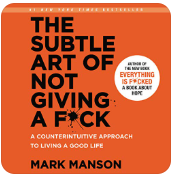 The Subtle Art of Not Caring
 Secure Your Spot Now →

 Powered by Living Off The Net — Directly to Your Bank



🌿 Share Your Thoughts ✍️
Your insight helps the community. Trevor will reply personally.