Self-Discipline
Achieve More Through Consistency
Self-discipline allows you to align actions with goals, resist short-term temptations, and achieve long-term success.
“Discipline is the bridge between goals and accomplishment.” — Jim Rohn
Self-discipline is the foundation of success. It is the ability to control impulses, focus attention, and consistently take action toward your goals, even when motivation wanes. While talent and intelligence are helpful, consistent effort fueled by self-discipline produces long-term results.
Set Clear Goals and Boundaries
Clarity is the first step toward self-discipline. Define specific, measurable, and achievable goals. Establish boundaries for your time, energy, and behaviors to prevent distractions or indulgence in unproductive habits.
For example, if your goal is to improve fitness, set clear parameters: work out 30 minutes daily, limit junk food, and track progress. Boundaries create structure and reduce reliance on willpower alone.
Build Small, Sustainable Habits
Consistency is easier to achieve when you start small. Break larger objectives into small, repeatable actions. Daily repetition strengthens habits and reduces mental resistance.
For instance, rather than committing to two hours of reading daily, start with 15 minutes. Gradually, the habit becomes automatic, creating momentum toward your larger goal.
Self-Discipline Tip:
Remove temptations and distractions. Create an environment that supports your goals, whether it’s a clutter-free workspace, healthy snacks, or scheduling focus periods without interruptions.
Practice Delayed Gratification
Resist short-term impulses in favor of long-term rewards. Delayed gratification strengthens mental control and enhances the likelihood of achieving meaningful goals.
For example, instead of scrolling social media during work hours, complete priority tasks first. Reward yourself afterward. This reinforces control and builds discipline over time.
Track Progress and Adjust
Monitoring your efforts provides feedback and accountability. Track tasks, habits, and milestones to ensure alignment with goals. Reflection helps identify weaknesses and allows adjustments for improvement.
For example, using a habit tracker or journal can reveal patterns of procrastination and help you refine strategies to stay consistent.
Embrace Accountability
Sharing goals with a mentor, coach, or friend strengthens commitment. Accountability encourages follow-through and provides support when motivation declines.
Knowing someone else is aware of your commitments increases focus and reduces the likelihood of skipping important actions.
Develop a Resilient Mindset
Self-discipline requires resilience. Expect setbacks, but view them as temporary and solvable. Avoid self-criticism and immediately resume disciplined action after any lapse.
For example, missing a day of exercise doesn’t erase progress. Acknowledge the lapse, reflect briefly, and continue your routine. Resilience strengthens consistency and long-term success.
Final Thoughts
Self-discipline is cultivated through clarity, habit-building, delayed gratification, tracking progress, accountability, and resilience. By practicing these principles daily, you align actions with goals, maximize potential, and achieve meaningful results over time.
Consistency is more powerful than intensity. Small, disciplined actions performed regularly compound into extraordinary achievements.
Strengthen Your Self-Discipline Today
Explore strategies, habit-building exercises, and tools to maintain focus, resist temptation, and consistently achieve your goals.
Every disciplined step compounds into lasting success and personal growth.




 The Magic of Thinking Big
 Rich Dad Poor Dad
 Ca$hvertising
 Flip the Script
 Sales Training
 Think and Grow Rich
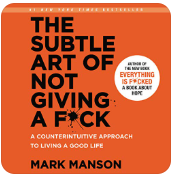 The Subtle Art of Not Caring
 Secure Your Spot Now →

 Powered by Living Off The Net — Directly to Your Bank



🌿 Share Your Thoughts ✍️
Your insight helps the community. Trevor will reply personally.