🎓 Keep Growing: Becoming a Lifelong Student
Embrace learning as a lifelong habit to stay sharp, curious, and adaptable
“Live as if you were to die tomorrow. Learn as if you were to live forever.” — Mahatma Gandhi
From My Audible Library 🌿
🌿Living Off The Net 🌿 How to Get Out of Debt Faster
Teaches It All 🌿
Debt can feel overwhelming, but with a focused plan and disciplined actions, you can accelerate repayment and regain financial freedom faster than you think.
“The quickest way to double your money is to fold it over and put it back in your pocket.” — Will Rogers
1. Track All Debt
List every debt with balances, interest rates, and minimum payments. Understanding the full picture helps you prioritize repayment effectively.
2. Use the Snowball or Avalanche Method
Choose either to pay off smallest balances first (snowball) or highest interest first (avalanche). Both strategies reduce total debt faster.
3. Cut Unnecessary Expenses
Analyze spending and reduce non-essential expenses. Redirect these savings toward extra debt payments.
4. Increase Income
Take on side hustles, freelance work, or sell unused items. Extra income can accelerate repayment and relieve financial pressure.
Interactive Exercise: Your Debt Reduction Plan
1️⃣ List All Debts
Write down every debt, interest rate, and minimum payment. Awareness is the first step toward control.
2️⃣ Choose a Repayment Method
Decide between snowball or avalanche strategies based on motivation or interest savings.
3️⃣ Create a Budget
Identify money to cut and redirect toward debt. Even small amounts add up quickly.
4️⃣ Plan Extra Income
List ways to earn extra money weekly or monthly and schedule payments directly to debt.
Note: There’s a form at the bottom of this page. Once you fill it in, you’ll instantly receive an email from me — plus a special resource you can easily share with your friends, family, and colleagues.
Trevor [Wales UK] has 20 years online experience, founder of multiple digital ventures, and fully qualified to teach everyday people how to succeed on the internet with simple, proven methods.”
Nelyn [ Philippines] “Co-founder with over 20 years supporting online ventures, dedicated to helping people learn simple digital skills and create real results with clear, beginner-friendly guidance to peolpe of the Philippines”
✅ Your daily motivational quote:
"We are what we repeatedly do. Excellence, then, is not an act, but a habit."
— Aristotle
Positive Habits Shape Your Life, One Step at a Time
Small, consistent habits compound over time to create lasting personal growth, improved well-being, and higher productivity.
Our daily actions shape the trajectory of our lives. While motivation fluctuates, habits create consistency and long-term results. Positive habits reinforce productivity, health, relationships, and mindset. The key is starting small, focusing on consistency, and allowing habits to compound into meaningful change.
Start Small and Be Consistent
Building positive habits begins with manageable actions. Avoid overwhelming yourself with drastic changes. Instead, focus on small, repeatable steps that are easy to integrate into your routine.
For example, begin with five minutes of daily meditation or a short evening walk. Once these small actions become consistent, expand gradually to develop larger, more impactful habits.
Link Habits to Triggers
Habits are easier to maintain when tied to existing routines. Identify daily triggers — morning coffee, brushing teeth, or lunch break — and attach new habits to these cues.
For instance, after brushing your teeth in the morning, immediately write down your top three priorities for the day. Linking habits to triggers creates automatic behavior patterns and reduces reliance on willpower.
Focus on one habit at a time. Trying to change too many behaviors simultaneously increases the chance of burnout. Master one habit, then add the next.
Track Your Progress
Keeping a record of habit completion reinforces commitment and motivation. Use a journal, calendar, or app to mark each day you successfully perform your habit. Visual progress encourages continuation and provides a sense of accomplishment.
For example, marking a habit streak on a calendar provides immediate feedback, reinforcing positive behavior and building momentum.
Focus on Identity, Not Outcome
Habits are more sustainable when they align with your desired identity rather than solely aiming for outcomes. Instead of focusing on “I want to run a marathon,” focus on “I am a person who exercises regularly.” This shifts the mindset from external goals to internal identity, creating long-term adherence.
Use Reinforcement and Rewards
Positive reinforcement strengthens habit formation. Celebrate milestones, no matter how small, to reinforce behavior. Rewards can be intrinsic, like a sense of satisfaction, or external, like a favorite treat or activity.
For instance, after completing a week of consistent journaling, reward yourself with an activity that nurtures your well-being, reinforcing the habit loop.
Overcome Setbacks Gracefully
Even with the best intentions, setbacks happen. Resilient habit builders accept slips without judgment and return to their routine immediately. Avoid using setbacks as an excuse to abandon progress.
For example, missing a workout once does not erase your progress. Acknowledge the lapse, reflect on improvements, and resume the habit the next day.
Final Thoughts
Positive habits are the building blocks of a purposeful and fulfilling life. By starting small, linking habits to daily triggers, tracking progress, focusing on identity, using reinforcement, and responding gracefully to setbacks, you create lasting personal growth and momentum.
Remember, consistency compounds. The habits you cultivate today become the foundation for the person you become tomorrow.
Build Positive Habits Today
Discover exercises, habit trackers, and strategies to develop consistency, focus, and lasting growth.
Each small step compounds into meaningful progress over time.

Every obstacle carries a hidden lesson for those willing to see it.
Turning Setbacks Into Stepping Stones
David had been training for a marathon for months. Every morning, he woke before sunrise to run, pushing himself through fatigue and soreness. Then, a week before the race, he injured his ankle during a routine run. Devastation and frustration set in — all his preparation seemed wasted.
Instead of giving up, David decided to **adapt and learn from the setback**. He consulted physiotherapists, explored cross-training, and focused on strength and flexibility exercises. This forced pause allowed him to notice weaknesses he had ignored during his regular training.
By race day, David couldn’t run as fast as he initially planned, but his careful adjustments and smarter approach allowed him to finish strong. Beyond the finish line, he realized that the setback had made him more resilient, more knowledgeable, and more strategic.
Lessons in Resilience
- See setbacks as lessons: Obstacles reveal areas for improvement.
- Adapt quickly: Flexibility in approach turns failure into growth.
- Strengthen weaknesses: Challenges highlight what needs attention.
- Consistency matters: Even reduced effort done smartly maintains progress.
- Celebrate resilience: Overcoming obstacles builds confidence for the next challenge.
Your Action Challenge
- Identify one recent setback you experienced.
- List at least two lessons or improvements it revealed.
- Create a plan to address these lessons in the coming week.
- Take at least one actionable step to turn this setback into a stepping stone.
- Reflect at the end of the week: what new growth or insight emerged?
David’s story proves that **how we respond to obstacles determines our growth**, and even setbacks can propel us forward when approached with curiosity and adaptability.
“Every setback carries a seed of opportunity — nurture it, and it will grow into your next success.”
Discover Below Three Simple Ways to Succeed Online Today
Love books but short on time? 🎧
Try Audible Free & Keep a Book Forever.
Grab a 30-day Free Trial and get your first book FREE.
My "Magnificent Seven" Collection:
The Magic of Thinking Big
Rich Dad Poor Dad
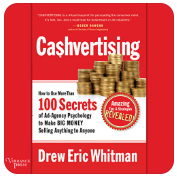
Ca$hvertising
Flip the Script
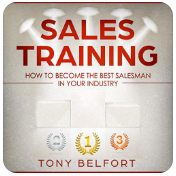
Sales Training
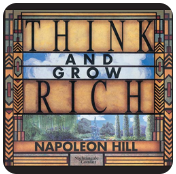
Think and Grow Rich
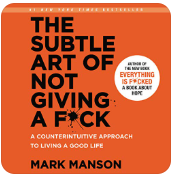
The Subtle Art of Not CaringAs an Amazon Associate, I earn from qualifying purchases.
It Is Time Sensitive
My Money School- £15.oo + VAT
Pays “The Best Interest”
🌿 Your Daily Quote 283 of 365
Daily Wisdom
Clarity comes when you pause and reflect.
“Almost everything will work again if you unplug it for a few minutes, including you.”
— Anne Lamott
Powered by Living Off The Net — Directly to Your Bank

🌿 Share Your Thoughts ✍️
Your insight helps the community. Trevor will reply personally.