
Living Off The Net
Turn your computer into a daily income machine
Turn your computer into a daily income machine

“Turn Your Laptop into a Money-Making Machine With us..
Learn effective strategies to find clients, set rates, and manage your freelance projects successfully
“Freelancing is not just about working; it’s about creating value and freedom for yourself.” — Unknown

Sometimes, a simple letter can bridge decades of silence and bring people back together. Two friends, separated by time and distance, found that reconnecting was just a handwritten note away.
“Friendship isn’t about who you’ve known the longest, it’s about who walked into your life, said ‘I’m here,’ and proved it.”
Years may pass, but reaching out shows that genuine bonds can withstand distance and time. Don’t let fear of rejection stop you from trying.
A heartfelt letter, even if brief, can rekindle memories, laughter, and shared experiences, creating an emotional bridge across decades.
Include meaningful life events or milestones in your note. It helps your friend catch up and encourages them to open up about their journey too.
Reconnecting may take time. Be patient, listen, and nurture the renewed friendship gently as it grows stronger.
Think of one friend you’ve lost touch with but always valued. Write their name down and recall a shared memory.
Write a short, heartfelt letter updating them on your life and expressing a desire to reconnect.
Send your note or email and be patient. Respect their time and response.
Once they respond, suggest a call, coffee, or a video chat to strengthen the reconnection.
Note: There’s a form at the bottom of this page. Once you fill it in, you’ll instantly receive an email from me — plus a special resource you can easily share with your friends, family, and colleagues.
Trevor [Wales UK] has 20 years online experience, founder of multiple digital ventures, and fully qualified to teach everyday people how to succeed on the internet with simple, proven methods.”

Nelyn [ Philippines] “Co-founder with over 20 years supporting online ventures, dedicated to helping people learn simple digital skills and create real results with clear, beginner-friendly guidance to peolpe of the Philippines”
✅ Your daily motivational quote:
"Success is liking yourself, liking what you do, and liking how you do it."
— Maya Angelou
Flexibility and openness empower you to navigate uncertainty, embrace new opportunities, and grow in the face of challenges.
Change is a constant in life. While some people resist it, those who embrace change thrive both personally and professionally. Adaptability is not just reacting to change — it’s actively preparing for it, learning from it, and finding ways to use it to your advantage. Developing adaptability enhances resilience, problem-solving skills, and overall confidence in handling uncertainty.
The first step toward adaptability is understanding that change is inevitable. Careers evolve, technology advances, and life circumstances shift unexpectedly. Viewing change as a natural part of life allows you to respond with curiosity instead of fear. For example, if your company implements a new system, instead of resisting, explore how it can make your work more efficient.
Change also brings opportunities. Adapting quickly can position you ahead of others who are slow to adjust, whether it’s learning a new skill or embracing a new role. The mindset of “what can I learn from this?” transforms potential stress into growth.
People with a growth mindset see challenges as learning experiences rather than threats. When faced with change, ask yourself: “How can I use this situation to improve?” or “What new skills can I gain?” This mindset encourages experimentation, creativity, and resilience.
For example, if a sudden project reassignment occurs, rather than feeling frustrated, view it as an opportunity to gain experience, showcase your strengths, and build your adaptability skills. Document lessons learned to reinforce your growth over time.
Being adaptable often requires learning new skills or updating knowledge. Allocate time each week to reading, online courses, or practical exercises. The more you invest in learning, the more flexible you become in responding to changing circumstances.
Take practical steps: if your industry is shifting toward digital tools, invest in learning relevant software. If teamwork processes are evolving, practice effective communication techniques. Preparation reduces anxiety and builds confidence in unfamiliar situations.
When faced with change, take one actionable step immediately. Even small progress reinforces your ability to respond and prevents feeling overwhelmed.
Change can trigger stress, fear, or uncertainty. Emotional resilience is key to remaining composed and proactive. Techniques like mindfulness, journaling, or speaking with mentors help manage emotions and maintain perspective.
For instance, if your role or responsibilities shift unexpectedly, take a few deep breaths, note your priorities, and plan actionable next steps. This prevents reactionary decision-making and allows you to approach change strategically.
Adaptability is not just about mindset — it’s also about actions. Being flexible means exploring alternative strategies, adjusting plans, and remaining open to feedback. When your first approach doesn’t work, view it as an opportunity to pivot, not as a failure.
Consider real-world examples: a company pivoting to remote work during unexpected events succeeded because they adopted flexible systems, encouraged experimentation, and listened to employee feedback. Individuals who mirrored this flexibility thrived professionally and personally.
Adaptability is easier when you leverage networks. Discussing challenges with colleagues, mentors, or friends offers new perspectives and solutions you may not have considered. Collaboration fosters creativity and accelerates adaptation.
For example, brainstorming with a team during a major change can generate practical solutions and distribute responsibilities, reducing stress while increasing efficiency.
Adaptability is a powerful skill that enables you to thrive in an ever-changing world. By understanding the nature of change, cultivating a growth mindset, embracing continuous learning, building emotional resilience, staying flexible, and collaborating effectively, you become not only capable of handling change but empowered by it.
Practice adaptability daily — start small, reflect often, and continuously learn. Over time, your ability to embrace change will strengthen, making you more confident, resilient, and successful in both personal and professional pursuits.
Explore articles, strategies, and exercises to become more flexible and resilient in any situation.
Every adaptive action builds confidence and growth.

Life flows best when we learn to move with it, not against it.
Maria had always been a planner. Every day was meticulously scheduled, every goal tracked. But when unexpected events disrupted her plans — project delays, sudden family emergencies, or a global crisis — she felt overwhelmed and stressed. The harder she tried to control everything, the more exhausted she became.
One weekend, Maria attended a surfing workshop. The instructor said, “You can’t control the waves, but you can learn to ride them.” At first, Maria struggled, falling repeatedly into the water. But gradually, she learned to anticipate, adjust her stance, and flow with the wave’s momentum instead of fighting it.
The lesson hit home. Maria realized life was like surfing: she could not control every twist, turn, or challenge. But by embracing flexibility, adjusting to circumstances, and using momentum wisely, she could navigate obstacles with energy and grace rather than resistance.
Maria’s experience reminds us that **life’s waves are inevitable**. Success and calm come not from rigid control, but from flexibility, presence, and the courage to adjust with the flow.
“Don’t fight the waves — learn to ride them, and you’ll find strength, joy, and freedom.”
Try Audible Free & Keep a Book Forever.
Grab a 30-day Free Trial and get your first book FREE.
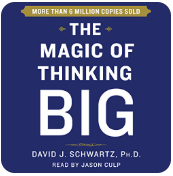 The Magic of Thinking Big
 Rich Dad Poor Dad
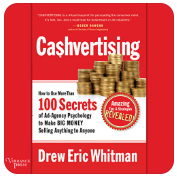 Ca$hvertising
 Flip the Script
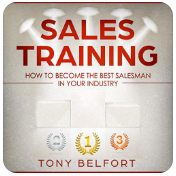 Sales Training
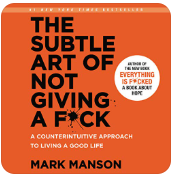
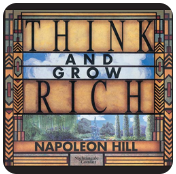 Think and Grow RichThe Subtle Art of Not Caring
As an Amazon Associate, I earn from qualifying purchases.

Daily Wisdom
A kind heart can light the darkest of days with just a simple gesture.
“Wherever there is a human being, there is an opportunity for kindness.”
— Seneca

 Powered by Living Off The Net — Directly to Your Bank



🌿 Share Your Thoughts ✍️
Your insight helps the community. Trevor will reply personally.